


Nha Trang Travel Guide 2026: Everything You Need to Know Before You Go
Table of Contents
- 1 Where Is Nha Trang Located?
- 2 Is Nha Trang Worth Visiting?
- 3 How Do You Get to Nha Trang and Around?
- 4 What Are the Best Beaches in Nha Trang?
- 5 Which Islands Should You Visit in Nha Trang?
- 6 What Are the Top Things to Do and See in Nha Trang?
- 7 What Can Families and Thrill Seekers Do?
- 8 Where to Stay Near Nha Trang
- 9 Conclusion
- 10 Frequently Asked Questions
The sea here changes color three times before lunch: deep blue past the harbor, jade green over the reefs, then a pale turquoise where it meets the sand. That range is the first thing most visitors notice about Vietnam’s best-known coastal city, and it is the reason a single beach afternoon rarely feels like enough. This Nha Trang travel guide walks through the beaches, islands, food, and practical details worth knowing before you land.
Quick Summary: Nha Trang Travel Guide
- Location: Nha Trang sits on Vietnam’s South Central Coast in Khanh Hoa Province, roughly 450 km northeast of Ho Chi Minh City and about 1,280 km south of Hanoi.
- The Bay: Nha Trang Bay joined the Club of the Most Beautiful Bays in the World in 2003, with 19 islands spread across roughly 507 square kilometers of water.
- Why Go: The city pairs a walkable center and a real local food scene with easy access to islands for snorkeling, diving, and beach-hopping.
- Getting In: Most visitors land at Cam Ranh International Airport on the peninsula south of the city, which receives direct regional flights.
- Worth Knowing: The most popular islands can feel busy at midday in peak months, and coral at some sites is thinner than older photos suggest.
- Where to Stay: Choose between the city near Tran Phu Beach or the quieter Cam Ranh Peninsula, where Alma Resort sits about 10 minutes from the airport and 40 minutes from downtown.
Where Is Nha Trang Located?
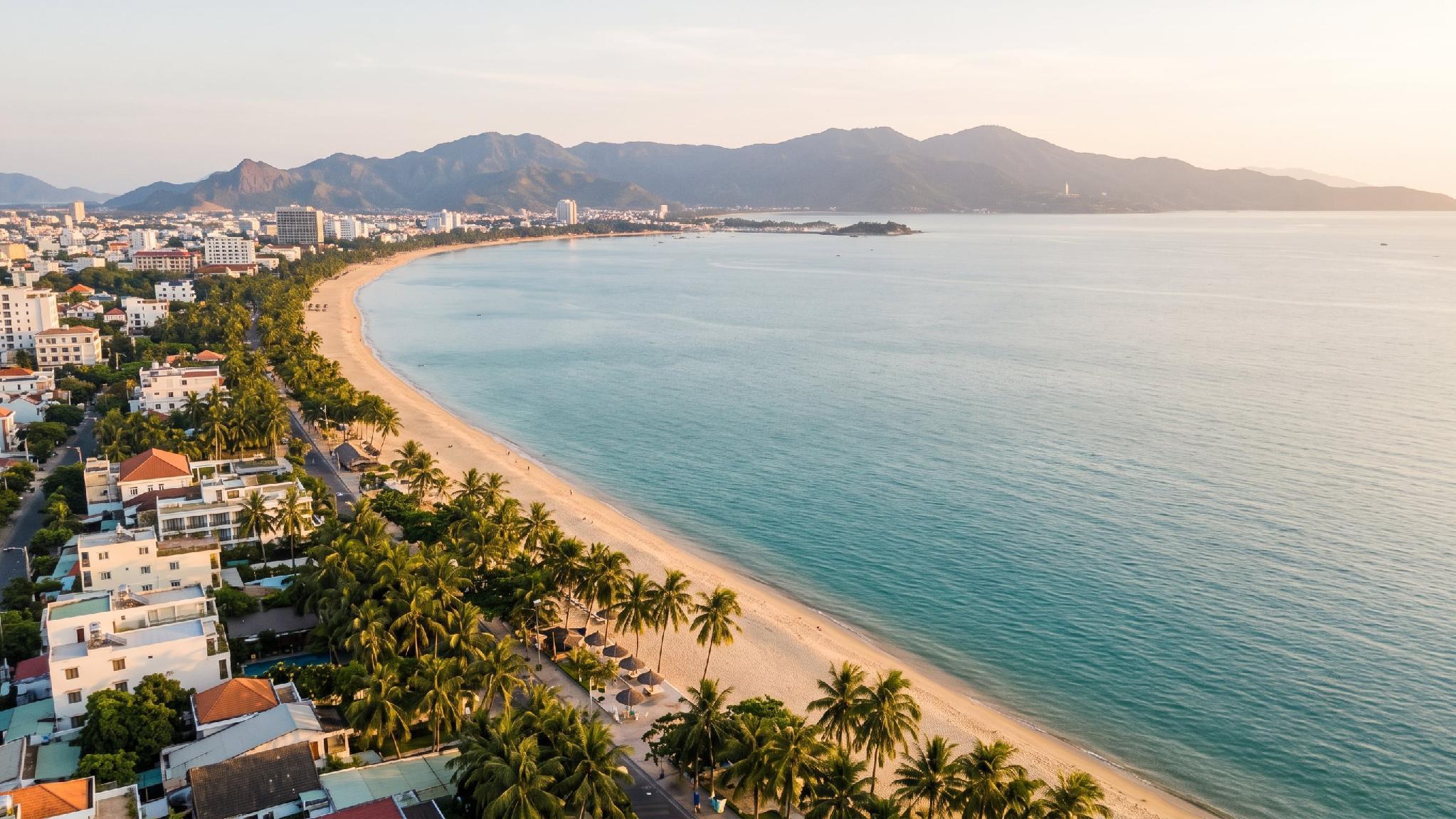
Nha Trang sits on Vietnam’s South Central Coast, in Khanh Hoa Province, roughly 450 kilometers (280 miles) northeast of Ho Chi Minh City and about 1,280 kilometers (795 miles) south of Hanoi. The city curves around Nha Trang Bay, a body of water sheltered by a scatter of islands just offshore, which is part of why the water stays calmer here than at many other Vietnamese beach towns.
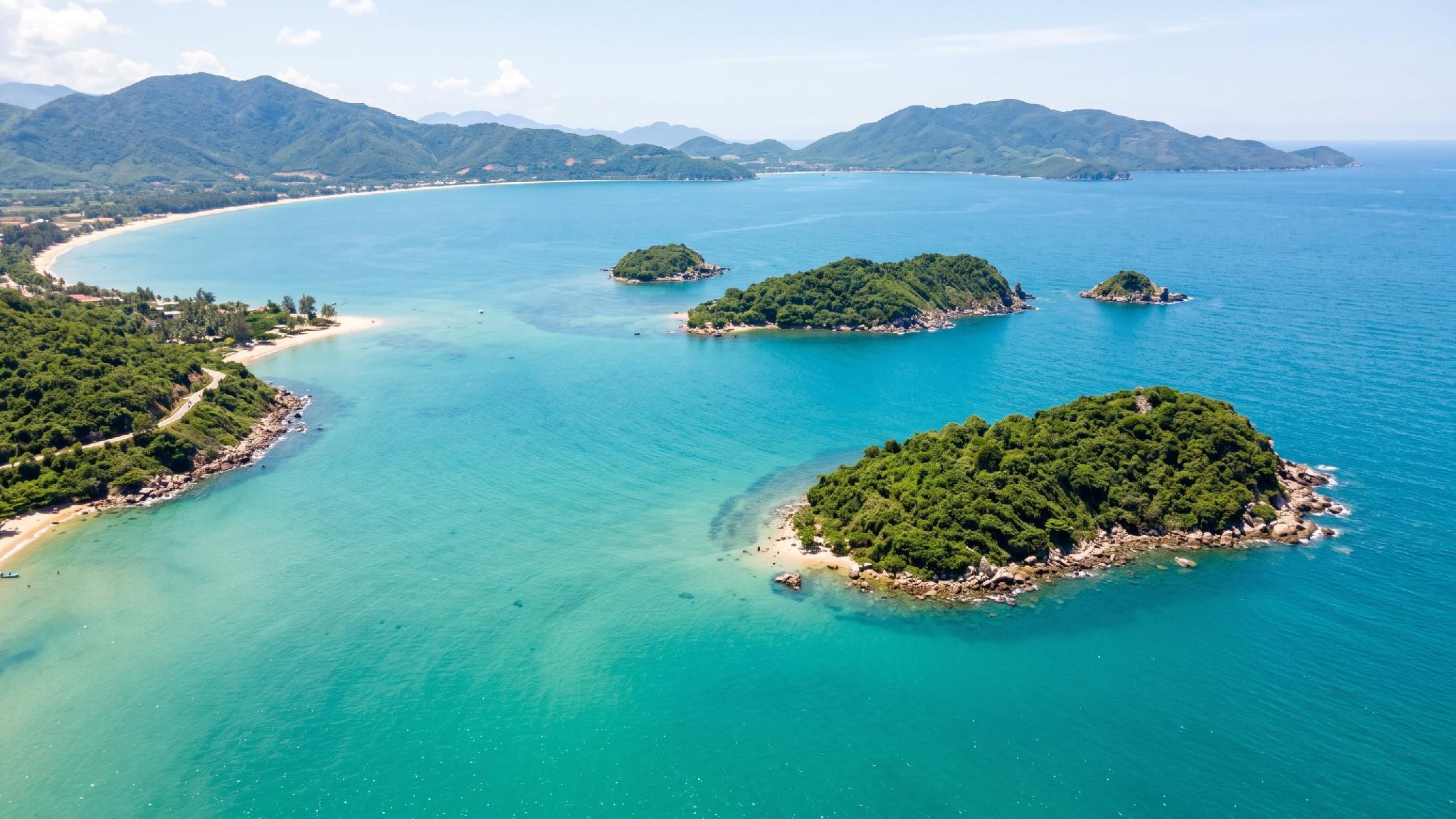
The bay itself carries real international recognition, not just marketing language. In June 2003, Nha Trang Bay became the 29th member of the Club of the Most Beautiful Bays in the World, a membership Vietnam’s own tourism authority still points to as a benchmark for the bay’s natural setting, its 19 islands spread across roughly 507 square kilometers of water.
The city built up around that bay accordingly, a compact grid of hotels, restaurants, and markets pressed between the mountains and the coastline. Most of what a first-time visitor wants sits within a few kilometers of the main beach road, Tran Phu Street, making Nha Trang one of the more walkable beach cities in the country.
South of the city, the coastline stretches into the quieter Cam Ranh Peninsula, home to Cam Ranh International Airport and a handful of resort properties spaced along Bai Dai Beach. This Nha Trang travel guide treats the city and the peninsula as one connected trip, since most visitors land at Cam Ranh and pass through, or stay on, the peninsula before ever reaching downtown.
Plan the city and the peninsula as one trip
Because Cam Ranh International Airport sits on the peninsula south of the city, most visitors pass through or stay on the peninsula before they ever see downtown Nha Trang, so the peninsula is part of the trip whether you plan for it or not.
Once you are in the city, most of what a first-timer wants sits within a few kilometers of Tran Phu Street, so much of it can be done on foot rather than by taxi.
Is Nha Trang Worth Visiting?
For most travelers weighing Vietnam’s beach destinations against each other, yes, and that’s the question any honest Nha Trang travel guide has to answer directly rather than dance around. Nha Trang combines a genuine city (restaurants, markets, nightlife) with island access that towns like Mui Ne or Phu Quoc’s quieter corners cannot match, and it does so with an airport, Cam Ranh International, that receives direct flights from several regional hubs rather than requiring a domestic connection.
What makes it worth the trip specifically comes down to a short list of things few other Vietnamese coastal cities offer together in one place.
- A sheltered bay with three easily reachable islands for snorkeling, diving, and beach-hopping
- A walkable city center with a genuine local food scene, not just resort dining
- A dry season that runs opposite much of the rest of the country, useful for trip planning
- An international airport at Cam Ranh with direct regional flights, cutting out long domestic transfers
- A range of stays from budget city hotels to quieter resort properties on the peninsula south of town
Where it falls short of expectations is usually about crowds and reef health rather than the destination itself, a caveat worth including in any honest Nha Trang travel guide rather than glossing over. The most popular islands can feel busy at midday during peak months, and decades of fishing pressure mean the coral around some sites is thinner than photos from a decade ago suggest.
Neither issue is a reason to skip Nha Trang, but both are worth knowing before booking a tour that promises pristine reefs everywhere in the bay. Picking a less crowded departure time, or a smaller tour boat over a large group one, usually solves the first problem; the second is simply a matter of expectations.
The caveat is crowds and coral, not the destination
The honest downside of Nha Trang is timing rather than the place itself: the most popular islands can feel busy at midday during peak months, so an island day in high season will feel very different from one in a quieter month.
Expect thinner coral at some sites than photos from a decade ago suggest, after years of fishing pressure; the sheltered bay and nearby islands still make snorkeling and beach-hopping easy to fit into a short trip.
How Do You Get to Nha Trang and Around?
Nearly every visitor arrives through Cam Ranh International Airport, then either heads into Nha Trang city or stays on the peninsula itself. Working out that trip from Nha Trang to Cam Ranh is usually the most practical part of planning any Nha Trang travel guide has to cover, since the rest of a trip tends to fall into place once arrival is sorted. Getting around once you’re there is straightforward, with a few different options depending on how far you’re going and how much you want to plan in advance.
Arriving at Cam Ranh International Airport
Cam Ranh International Airport sits on the Cam Ranh Peninsula, roughly 35 kilometers south of downtown Nha Trang. A taxi or private transfer into the city typically takes 45 to 60 minutes and costs around VND 350,000 to 400,000 (about 14 to 16 USD), depending on traffic and the exact drop-off point; prices shift, so it is worth reconfirming the fare before booking. Shuttle buses run the same route for less.

If your plans keep you on the peninsula rather than pushing into the city, the airport is only about 10 kilometers from resorts along Bai Dai Beach (also called Long Beach), a short drive rather than the hour-plus trip into town.
Getting Around the City
Within Nha Trang itself, ride-hailing apps (Grab is the most widely used) cover most short trips reliably and at fixed prices, which avoids the haggling that comes with flagging a street taxi. Motorbike rental is common among longer-stay visitors comfortable riding in Vietnamese traffic, and cyclos still circle the beach road for a slower, sightseeing-paced ride.
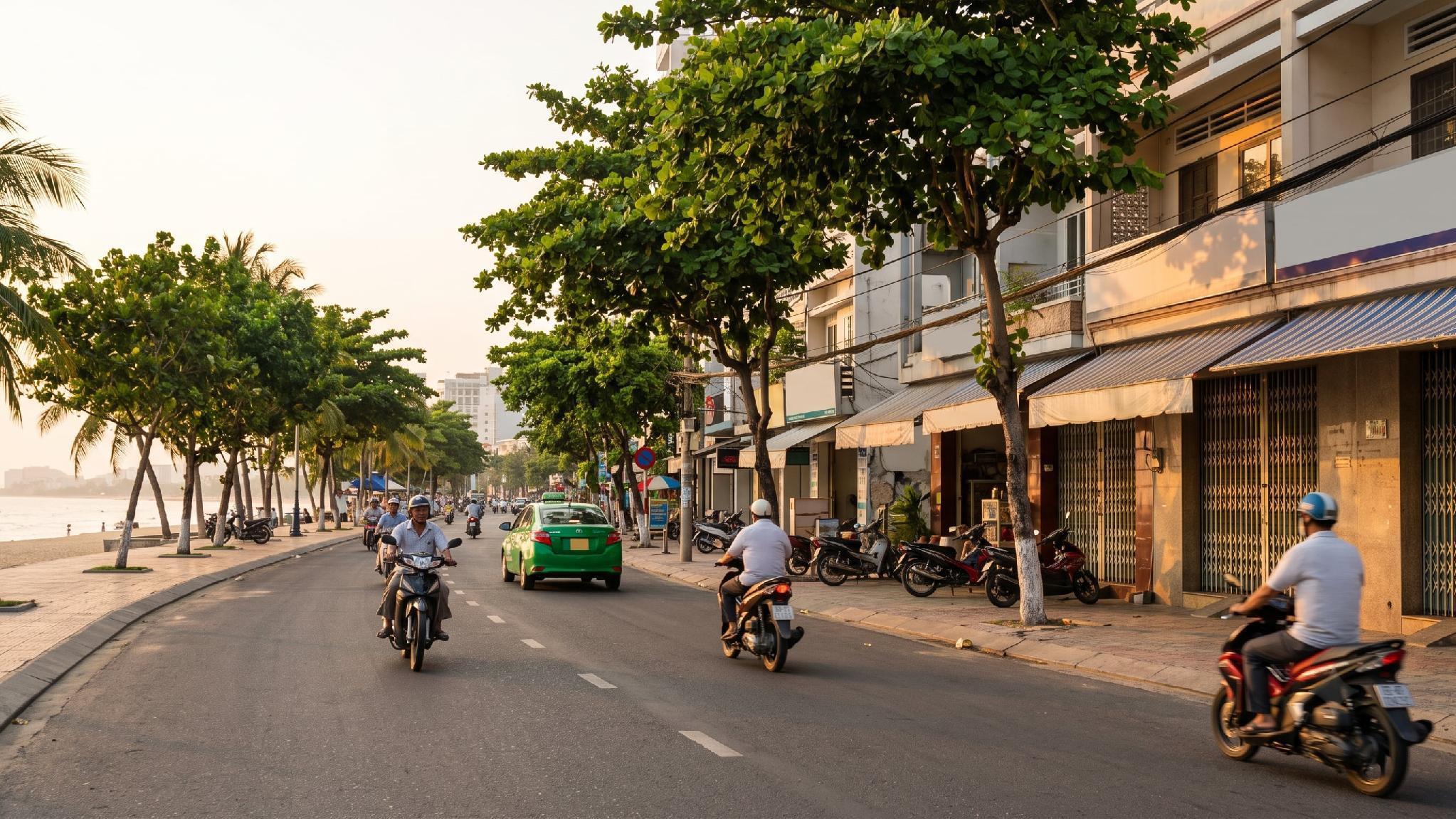
- Grab or a metered taxi for most in-city trips
- Motorbike rental (roughly 100,000 to 150,000 VND / 4 to 6 USD per day) for independent travelers
- Local buses along Tran Phu Street for a cheap, if slower, coastal ride
- Organized day-tour vans for island-hopping or day trips outside the city
Most in-city Grab rides cost a dollar or two given how compact central Nha Trang is, so budget travelers rarely need to rent their own transport just for the city center. Anyone basing themselves further out on the Cam Ranh Peninsula will lean more on a private transfer or a rental car for day trips, simply because the distances involved are longer than a quick city hop.
What Are the Best Beaches in Nha Trang?
Nha Trang’s beaches range from the busy, amenity-packed city stretch to genuinely quiet coves a short drive away. Which one suits a given day usually comes down to whether you want convenience or space, and it’s the section of this Nha Trang travel guide most first-time visitors flip to first.
Tran Phu Beach
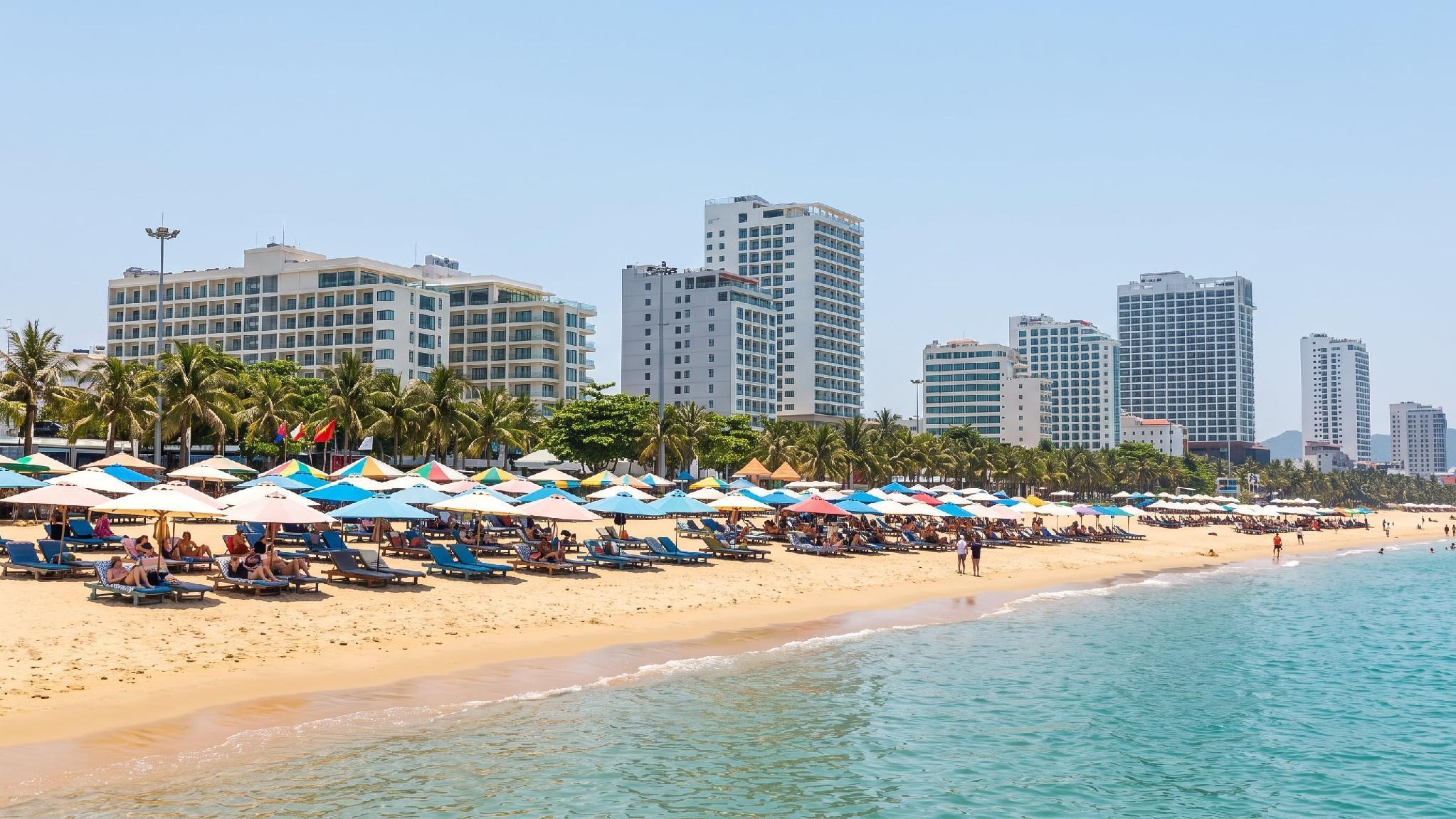
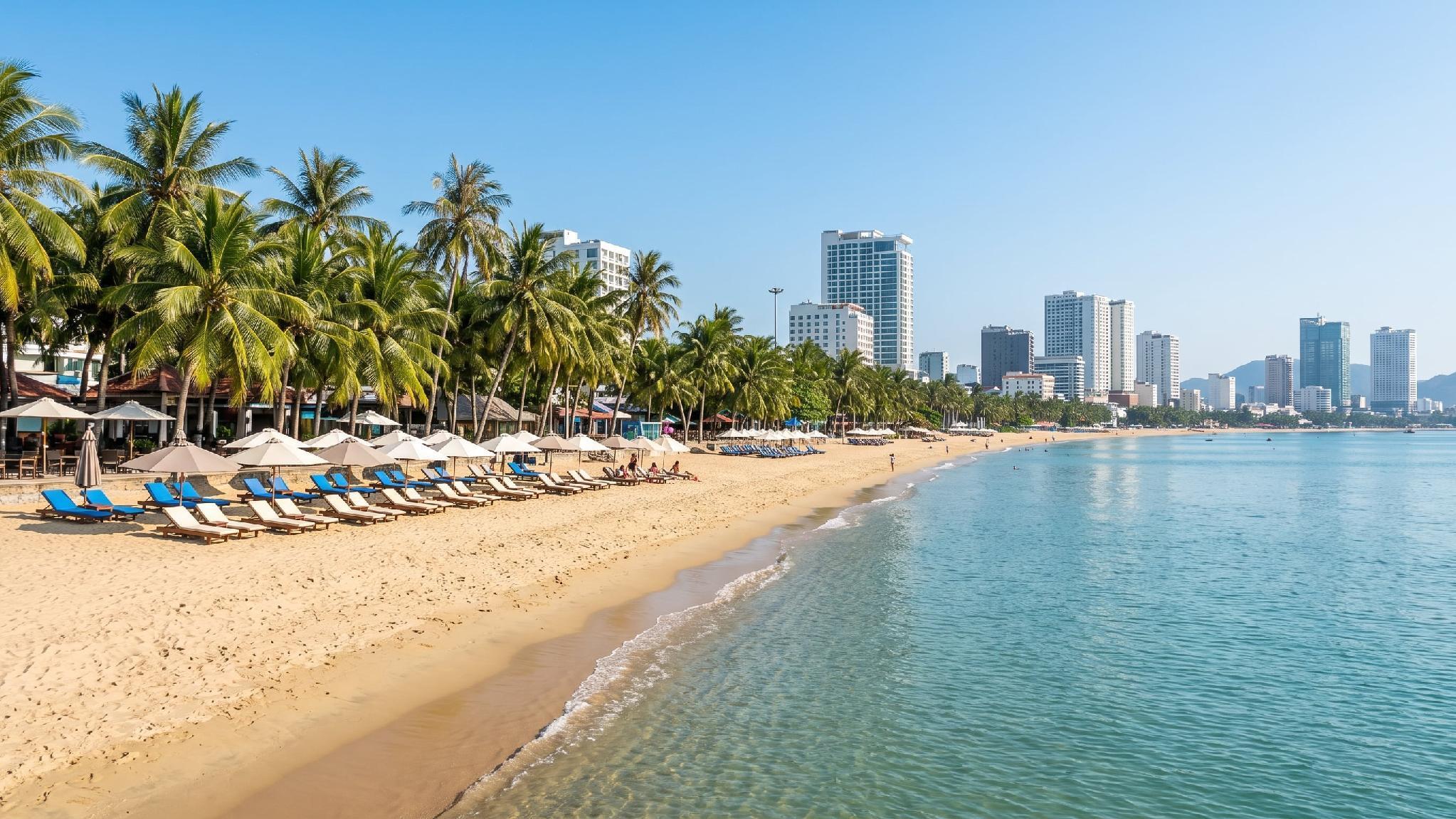
Tran Phu Beach runs along the city’s main beachfront boulevard, putting hotels, restaurants, and the nightly beach-road foot traffic within a short walk of the sand. It is the most convenient beach in Nha Trang and, by the same token, the busiest, especially in the late afternoon and evening when locals and visitors both come out for the cooler air.
Bai Dai Beach (Long Beach)
South of the city, Bai Dai Beach, also known as Long Beach, stretches for roughly 17 kilometers along the bay between Nha Trang and the Cam Ranh Peninsula. It is far less developed than Tran Phu, with long open stretches of sand fronting the resort properties spaced along it, Alma Resort Cam Ranh among them, and calmer, shallower water that suits families better than the city beach does.
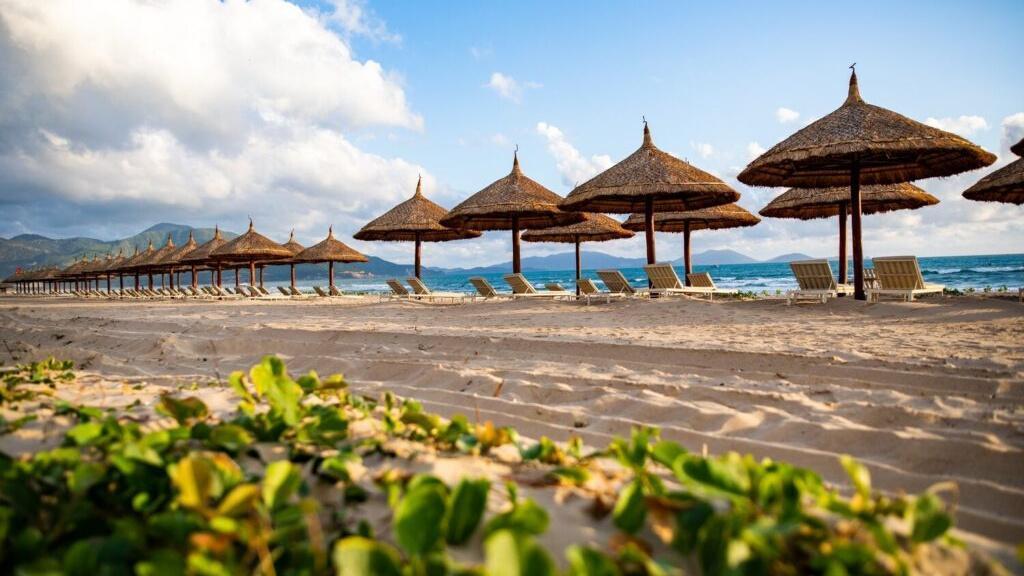
Because Bai Dai sits close to Cam Ranh International Airport rather than downtown Nha Trang, it works well as a base for travelers who want beach time without a daily commute into the city, with day trips into Nha Trang itself easy to add on when the mood strikes.
Hon Chong and the Quieter Northern Coves
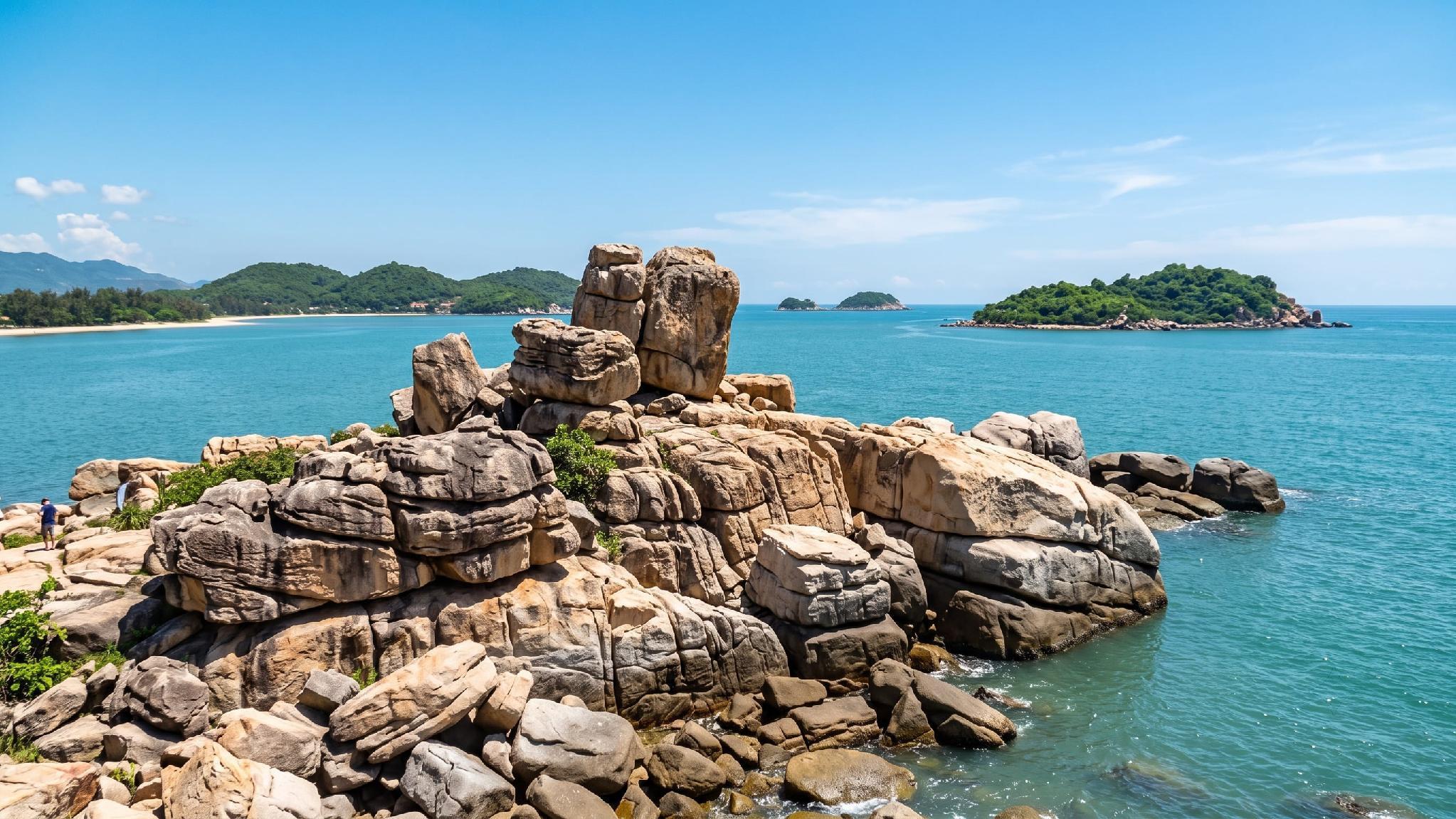
North of the city center, Hon Chong is a rock promontory better known for its stacked granite boulders and sweeping bay views than for swimming, though the small coves nearby offer a quieter alternative to Tran Phu without leaving the city entirely. The formation includes a large boulder locals call the handprint rock, framed against Hon Rua (Tortoise Island) just offshore, and it is a good stop for sunset photos on the way back from a day out.
| Beach | Location | Vibe | Best For |
|---|---|---|---|
| Tran Phu Beach | City center | Busy, social, amenity-heavy | Short visits, nightlife access |
| Bai Dai Beach (Long Beach) | Cam Ranh Peninsula, south of the city | Quiet, open, resort-lined | Families, longer stays, calmer water |
| Hon Chong | North of the city center | Rocky, scenic, low-key | Sunset views, short stops |
Which Islands Should You Visit in Nha Trang?
Nha Trang Bay’s islands are the main reason many visitors extend their stay past a couple of days, and no Nha Trang travel guide would be complete without walking through them individually rather than lumping them together as one generic boat tour. Three come up on nearly every island-hopping itinerary, each with a slightly different focus.
Hon Tre
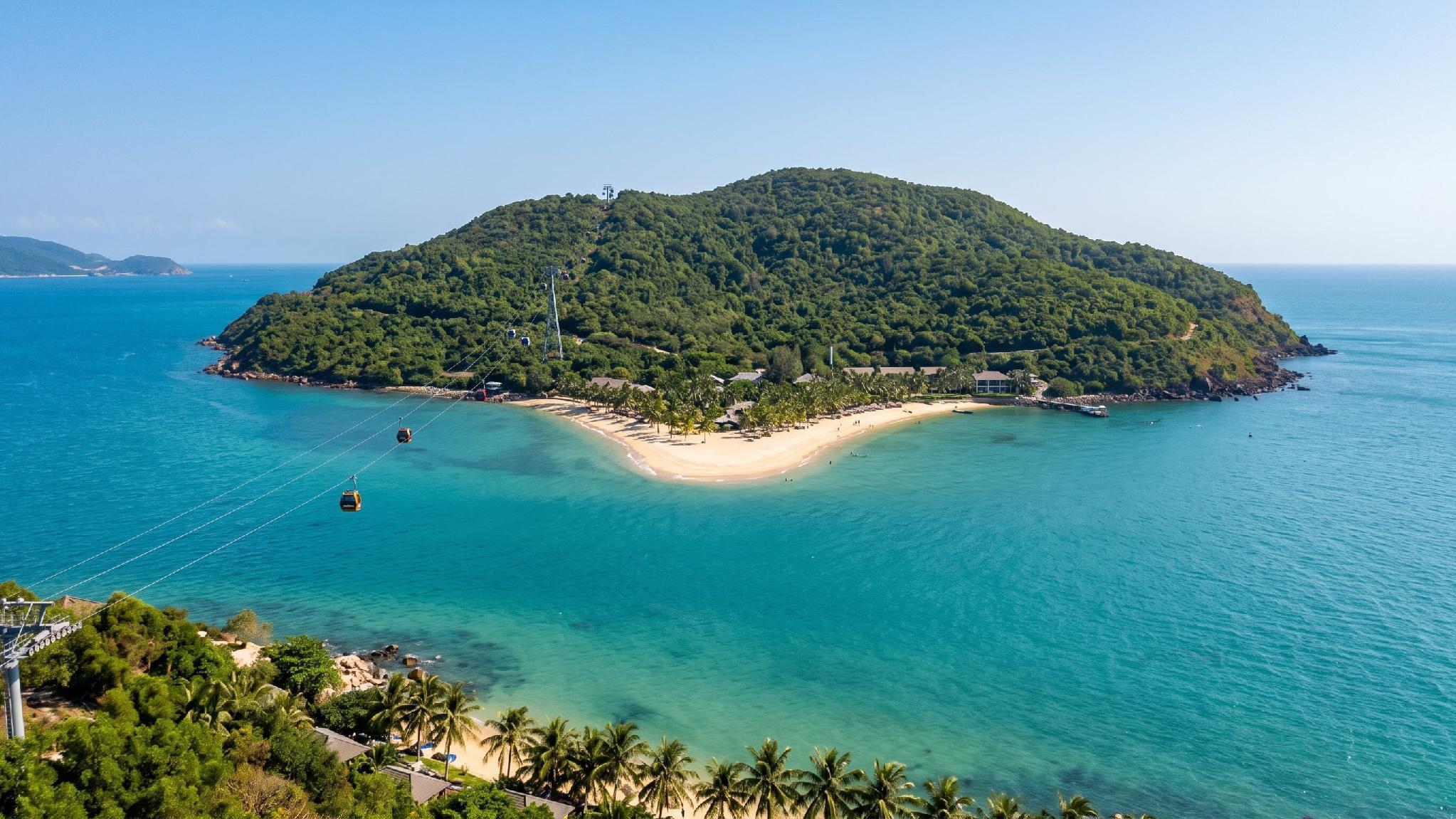
Hon Tre is the largest island in the bay and home to VinWonders Nha Trang, reached by a cable car from the mainland (round-trip cable car tickets run around VND 200,000, while full park admission with the cable car included varies by season and booking channel, so it is worth checking current rates before booking). Beyond the theme park, the island has several quieter beaches for visitors who skip the rides altogether.
Hon Mun
Hon Mun is Vietnam’s first officially designated marine protected area, established in 2001 with support from the IUCN and covering roughly 160 square kilometers of land and water. Its reefs hold the highest coral biodiversity recorded in the country, with more than 350 species of hard coral documented within the protected zone, which is why nearly every snorkeling and diving tour in Nha Trang routes through it.
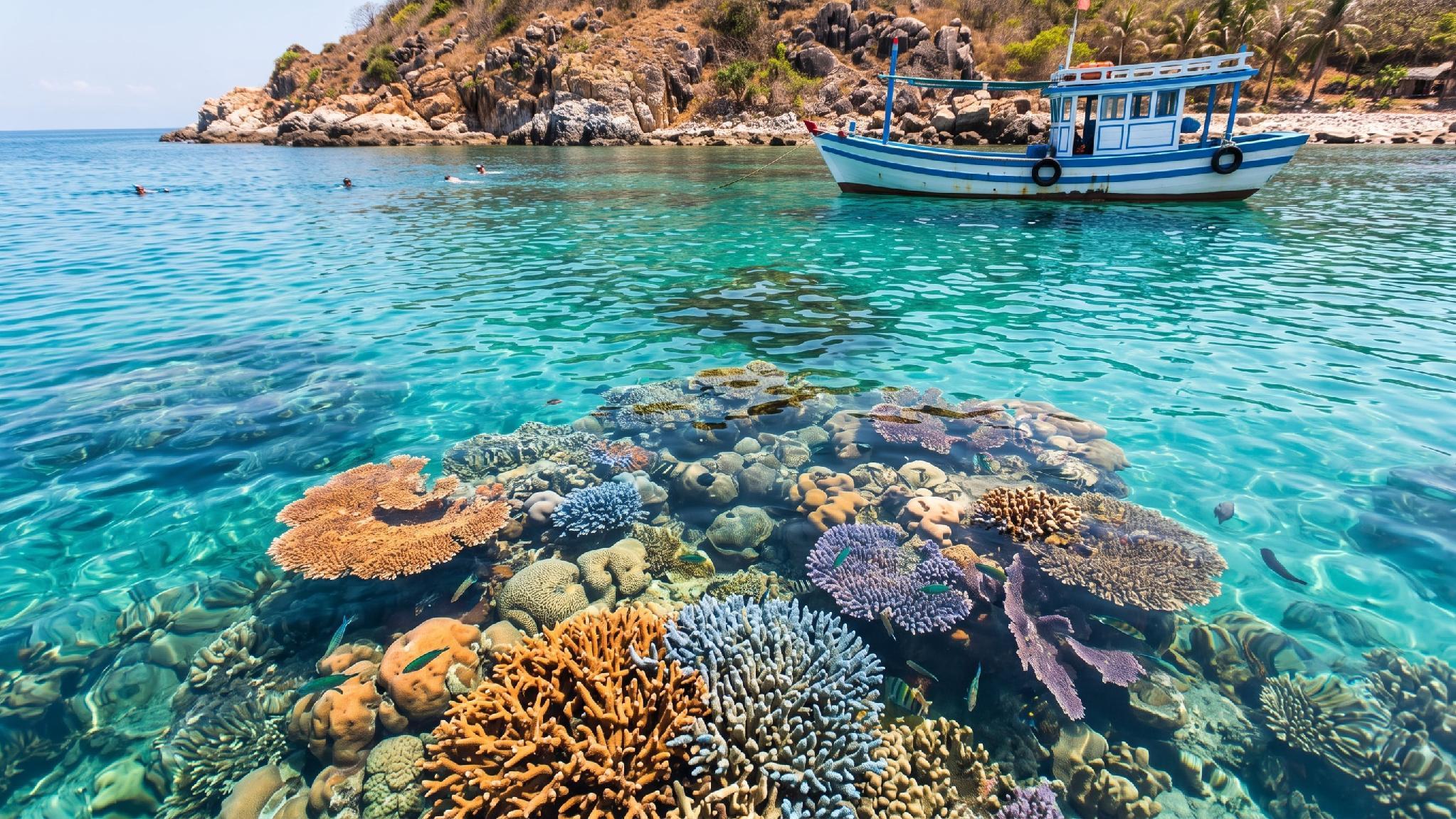
Only mask-and-snorkel swimming is permitted in the core protected zone, a rule aimed at limiting damage to the coral. Visibility and calm seas are best from April through August, which is the window most dive operators recommend for this specific island.
Hon Tam
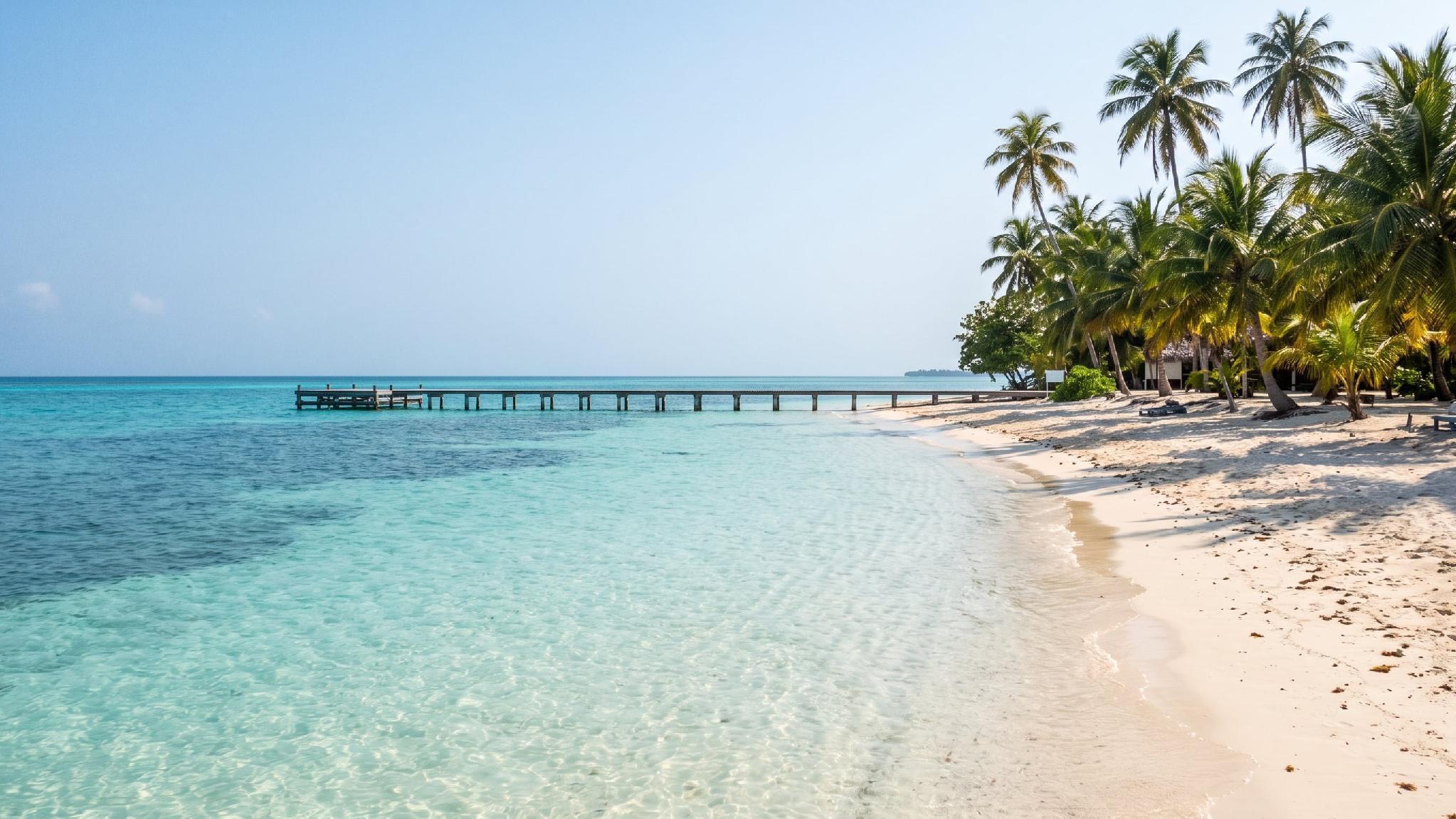
Hon Tam pairs a decent swimming beach with a mineral mud bath facility on the island itself, a convenient way to combine two popular Nha Trang activities without a separate trip back to the mainland. It is a regular stop on the standard three-island boat tours that also cover Hon Mun.
What Are the Top Things to Do and See in Nha Trang?
Beyond the beaches and islands, Nha Trang’s inland sights cover more than a thousand years of history in a fairly compact area, easy to combine into a single city day. This is the part of the trip most beach-focused visitors skip, and usually regret, so it earns real space in this Nha Trang travel guide rather than a passing mention among the wider things to do in Nha Trang.
Po Nagar Cham Towers

Built between the 8th and 13th centuries by the Cham people, the Po Nagar Cham Towers sit on Cu Lao Hill overlooking the Cai River, a few kilometers north of the city center. The complex is dedicated to the goddess Thien Y A Na, credited in local tradition with teaching the coastal population agriculture and weaving, and its brick towers and sandstone carvings were formally recognized as a national historical and cultural relic by Vietnam’s Ministry of Culture in 1979.
Detailed Information:
- Address: 2/4 Street, Bac Nha Trang Ward, Nha Trang City
- Hours: 8:00 AM to 6:00 PM daily
- Entrance Fee: Around 25,000 VND per adult; confirm before visiting, as fees are adjusted periodically
Long Son Pagoda
Long Son Pagoda was founded in 1886 and is best known today for the 24-meter white Buddha statue seated on a lotus at the top of the hill behind the main temple. Reaching it means climbing 193 stone steps, passing a 17-meter reclining Buddha at the 44th step, but the panoramic view over Nha Trang from the summit is the payoff most visitors come for.
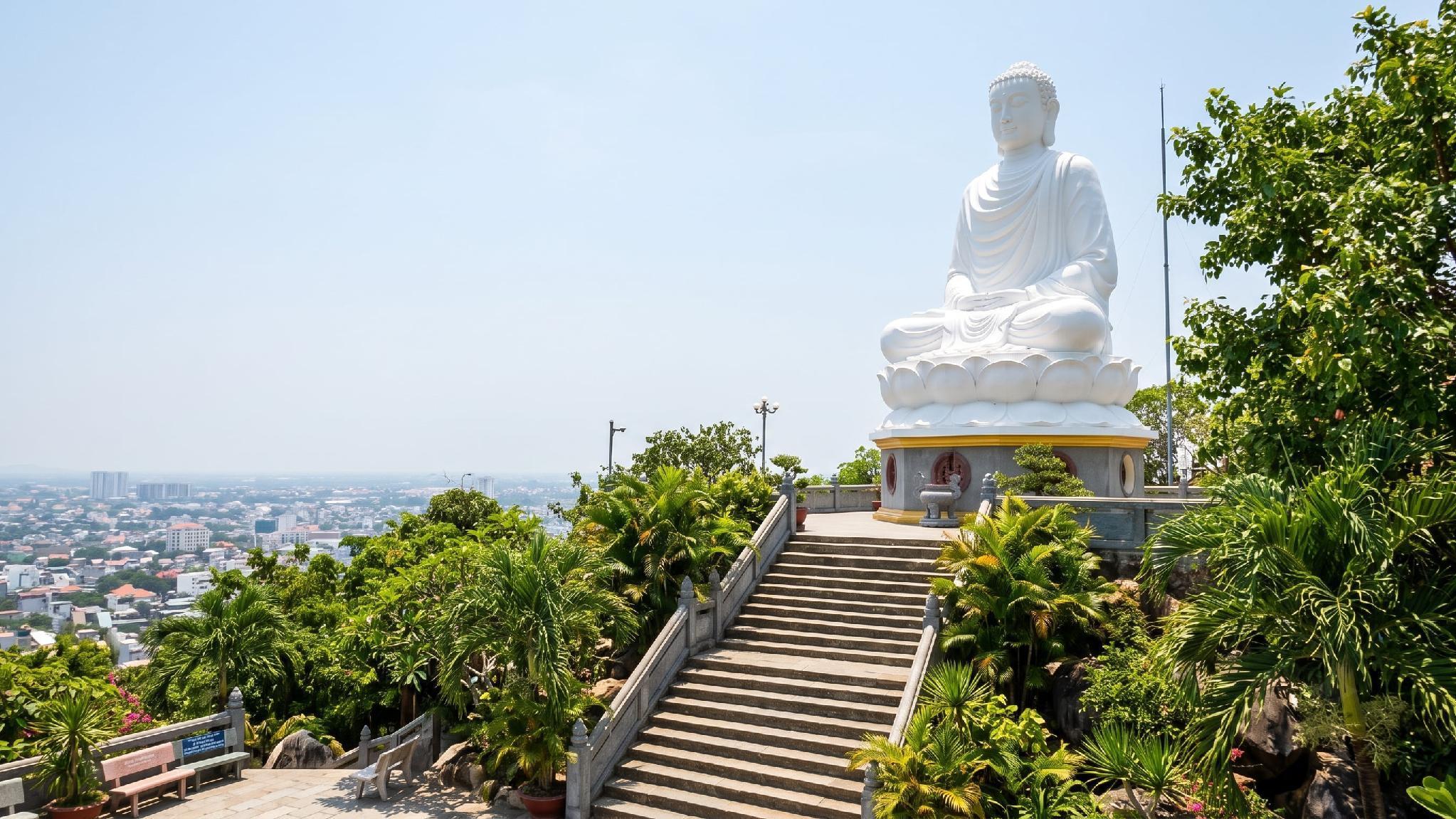
The pagoda itself, at the base of the hill, is still an active place of worship with resident monks, so modest dress (shoulders and knees covered) matters more here than at the outdoor statue above. Visiting in the early morning avoids both the midday heat on the exposed staircase and the busier afternoon tour-group window.
Detailed Information:
- Address: Off 23/10 Street, Phuong Son Ward, Nha Trang City
- Hours: Generally 7:00 AM to 5:30 PM daily
- Entrance Fee: Free (donations welcomed at the main temple)
Dam Market and the Night Market
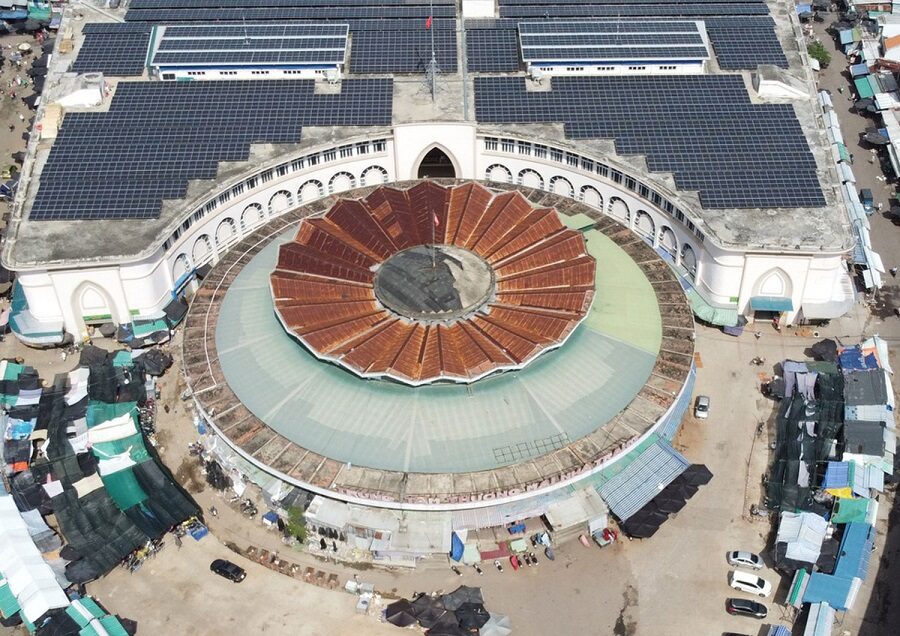
Dam Market has operated in some form since 1908 and was rebuilt in 1970 into its current circular building, a lotus-shaped roof over a two-story market designed to hold up to 3,000 shoppers at once. It is Nha Trang’s main wholesale and everyday market, better for produce, dry goods, and a genuine slice of local life than for souvenirs, with dried seafood, local spices, and fresh fruit making up most of the ground floor stalls.
For souvenirs and street food after dark, the Nha Trang Night Market along Tran Phu Street is the better stop, a roughly 500-meter run of close to 100 stalls selling everything from dried squid to knock-off beachwear, busiest from early evening onward.
Institute of Oceanography
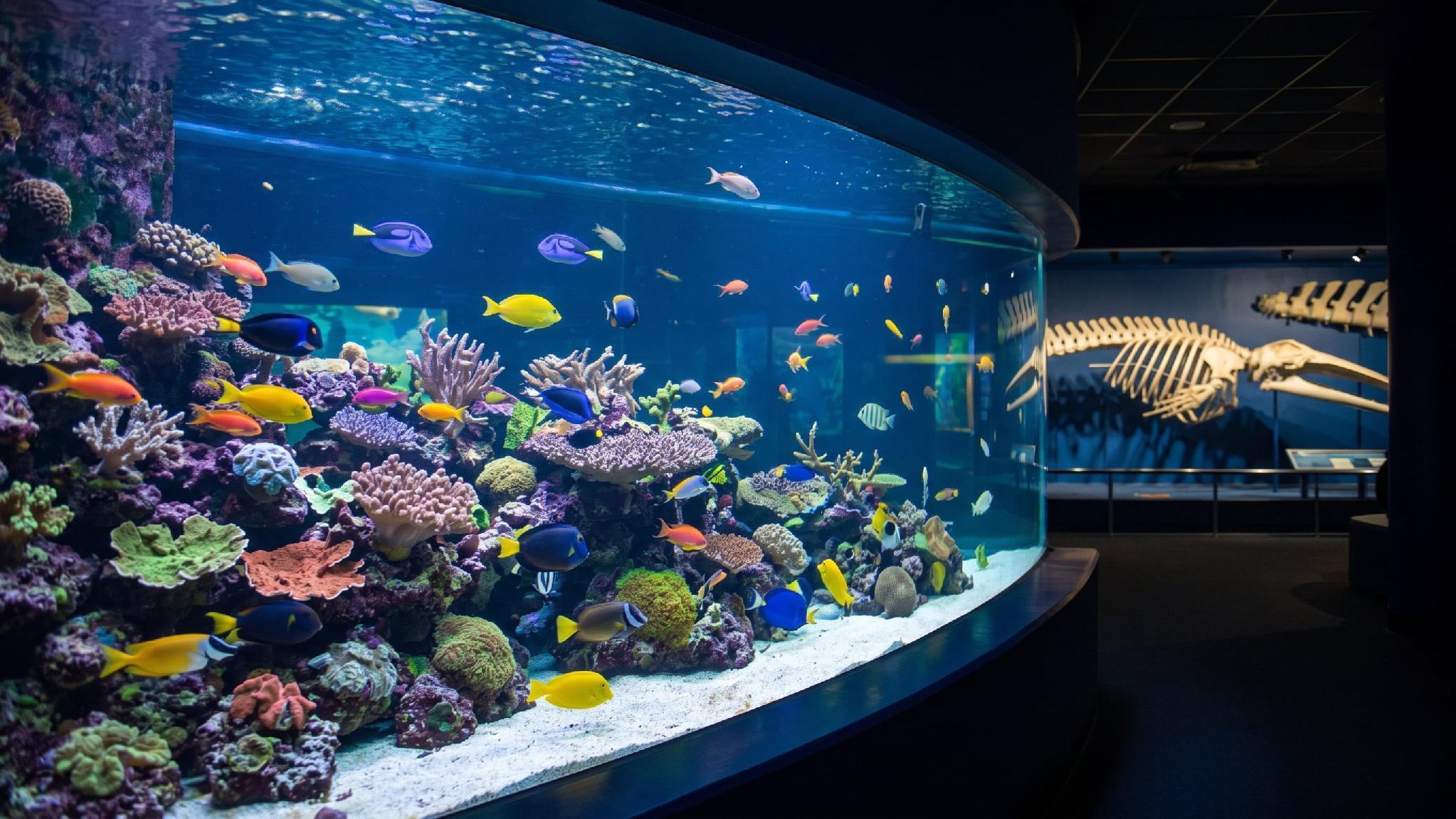
Vietnam’s oldest and largest marine research institute doubles as a public aquarium and museum, with tanks of live reef fish alongside preserved specimens, including a full whale skeleton. It sits at Cau Da, on the southern edge of the city, and makes a genuinely good rainy-day alternative to a beach or boat day.
Detailed Information:
- Address: No. 1 Cau Da, Nha Trang City
- Hours: 6:00 AM to 6:00 PM daily, including holidays
- Entrance Fee: Around 40,000 VND for adults, 20,000 VND for students, free under 6
What Can Families and Thrill Seekers Do?
Nha Trang splits fairly cleanly into activities built for adrenaline and activities built for downtime, often within a short distance of each other, a split worth planning around rather than discovering halfway through the trip, whether that means one of the waterparks in Cam Ranh and Nha Trang or something calmer.
VinWonders Nha Trang
The theme park on Hon Tre covers rides, a water park section, and an aquarium under one ticket, reached by the cable car mentioned earlier, which held the Guinness World Record for the longest sea-crossing cable car in the world when it opened in 2007.
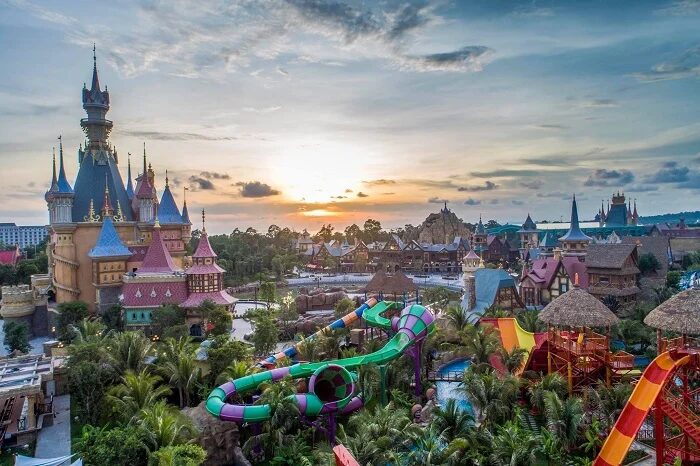
It is the single biggest draw for families with kids old enough for the rides, and most visitors treat it as a full-day trip rather than a quick stop, since the park, beach, and water slides alone can fill a full afternoon before anyone even reaches the aquarium.
Mud Baths and Hot Springs
Thap Ba Hot Spring Centre, about 6 kilometers outside the city, is the best known of Nha Trang’s mineral mud bath facilities, with communal and private mud pools alongside thermal swimming pools and waterfalls fed by the site’s own hot springs. A short soak in the communal mud bath runs around 120,000 VND (about 5.50 USD) per adult, with private options for couples or small groups priced higher.
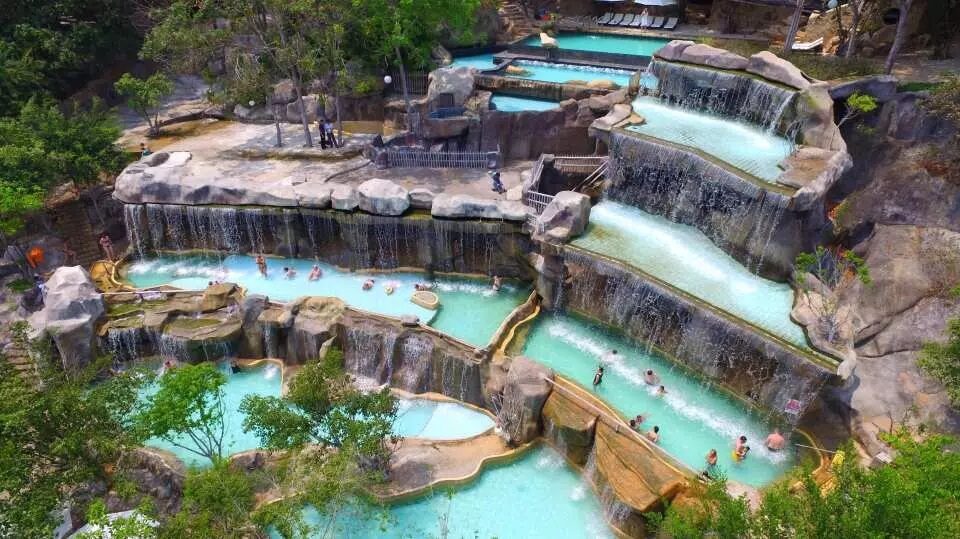
Most visitors pair the mud bath with a longer afternoon in the thermal pools rather than treating it as a quick stop, since the centre’s layout is really built around spending half a day moving between pools, not rushing through in twenty minutes.
Where to Stay Near Nha Trang
Travelers weighing where to base themselves usually choose between staying inside the city, close to Tran Phu Beach and the markets, or basing further south on the Cam Ranh Peninsula, closer to the airport and away from the city’s density. It’s the classic Cam Ranh or Nha Trang question, and this Nha Trang travel guide can’t make it for you, since it depends entirely on how much time you want to spend commuting versus relaxing.
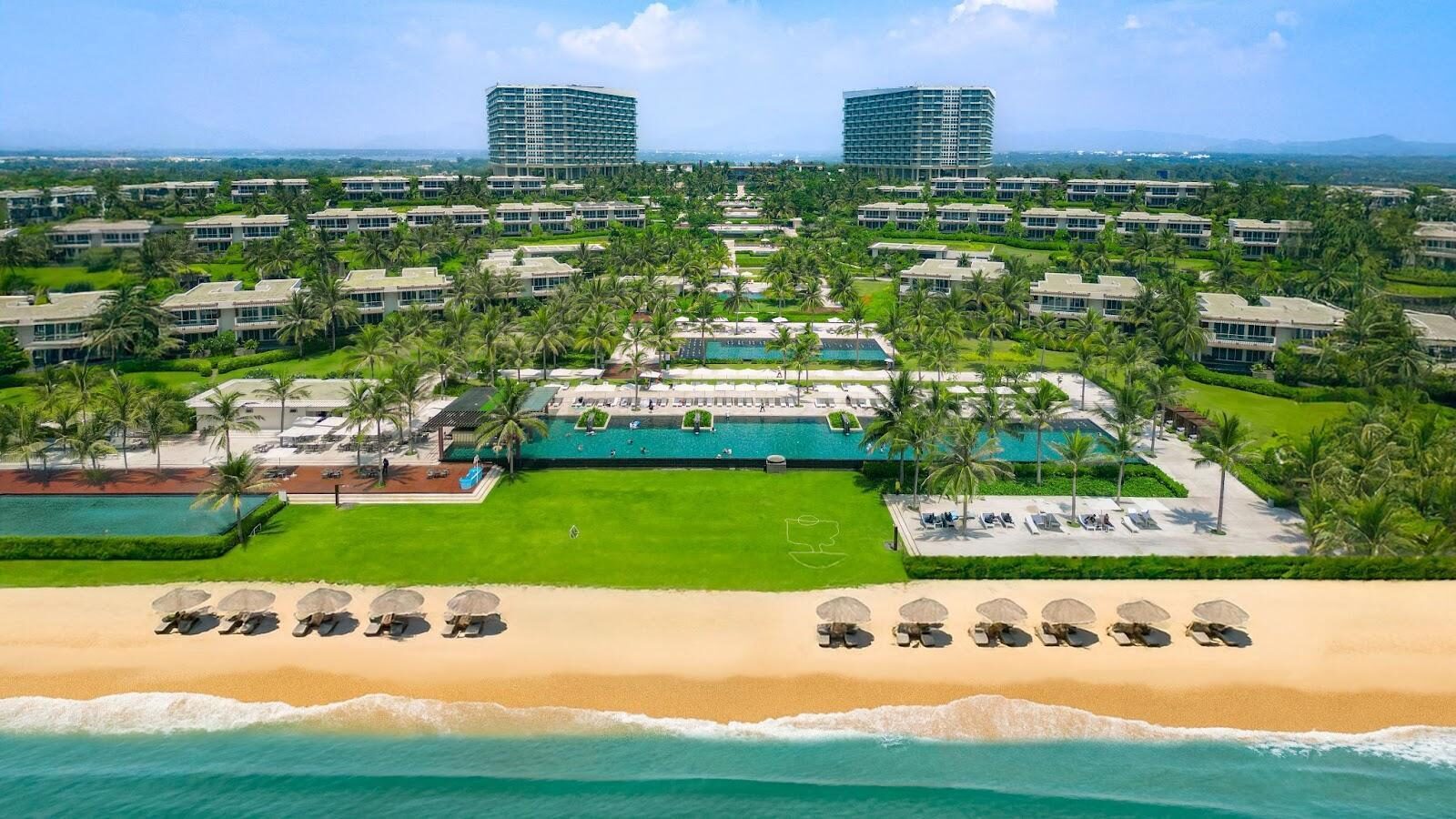
Alma Resort Cam Ranh sits on Bai Dai Beach on that peninsula, roughly 10 minutes from Cam Ranh International Airport and about 40 minutes from downtown Nha Trang, making it a practical option for anyone who would rather spend less time in transit and more time by the water. The peninsula also sees around 300 sunny days a year, part of why the resort leans so heavily on outdoor pools, gardens, and beach-facing dining rather than indoor space.
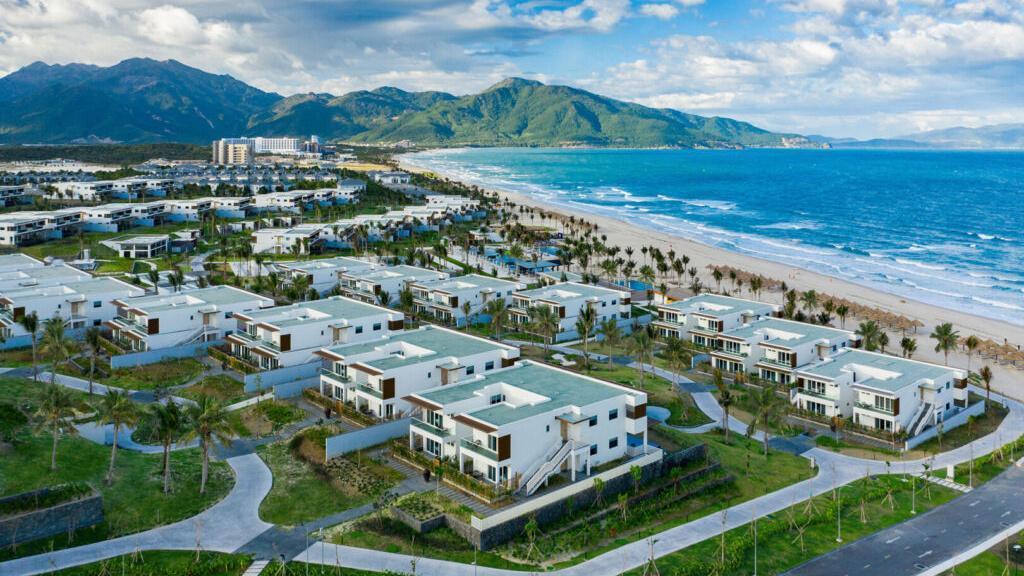
The resort’s recognition backs up the pitch: Alma has been named the Best Family Resort in Vietnam multiple years running by the HWK Readers’ Choice Awards, and Travel + Leisure’s World’s Best Awards named it the #1 Resort in Southeast Asia in 2024, a ranking it has held onto the top 5 of in the region as recently as the 2026 edition.
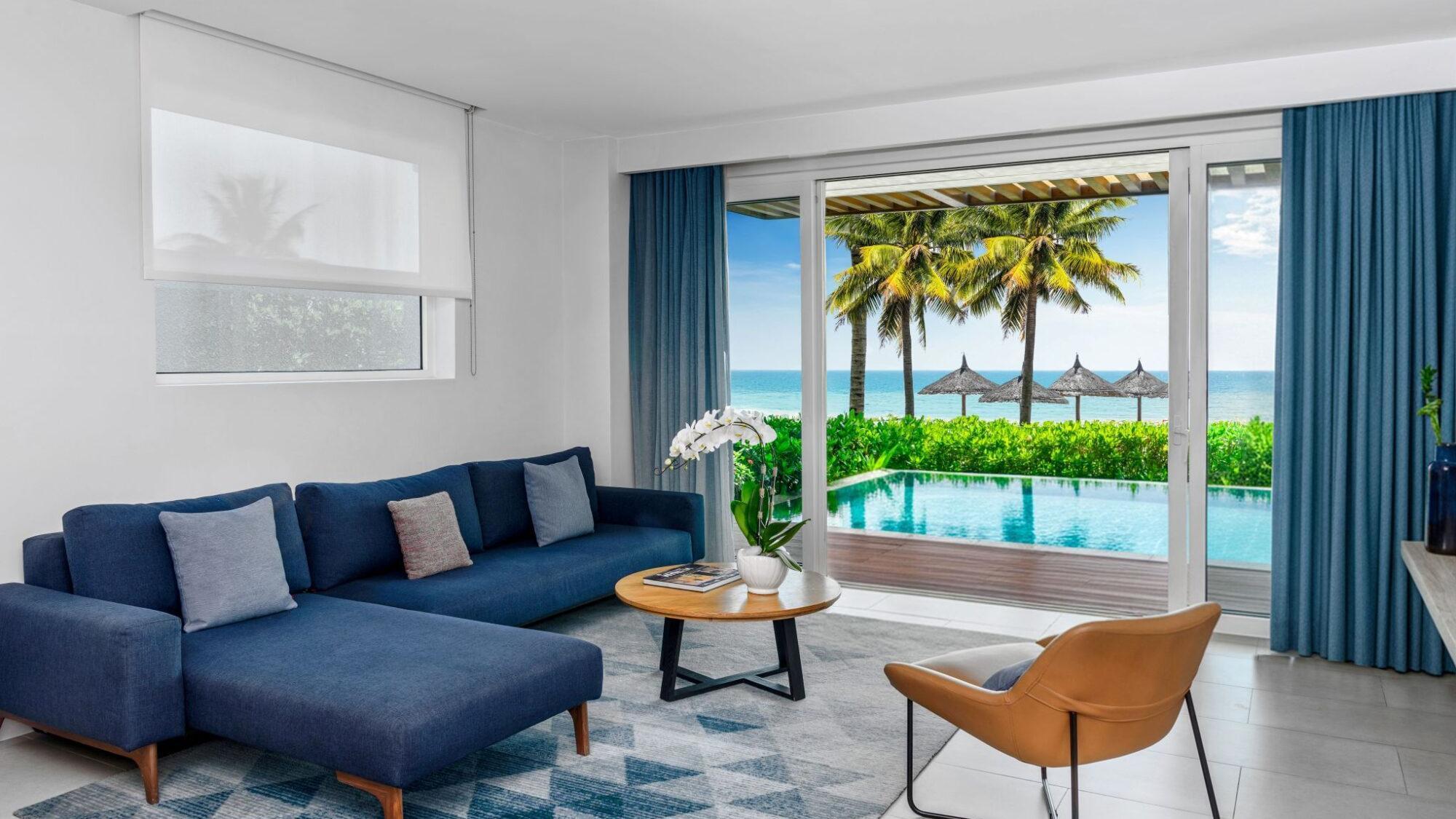
For a couple or small family wanting real separation from other guests, the 1 Bedroom Villa, Private Pool, Beach Front sits directly on the sand at 147 sqm, with its own private pool rather than a shared one down by the main deck. It suits travelers who want a villa stay without stepping up to a multi-bedroom layout, and who would rather spend a lazy afternoon at their own pool than walk down to a communal one.
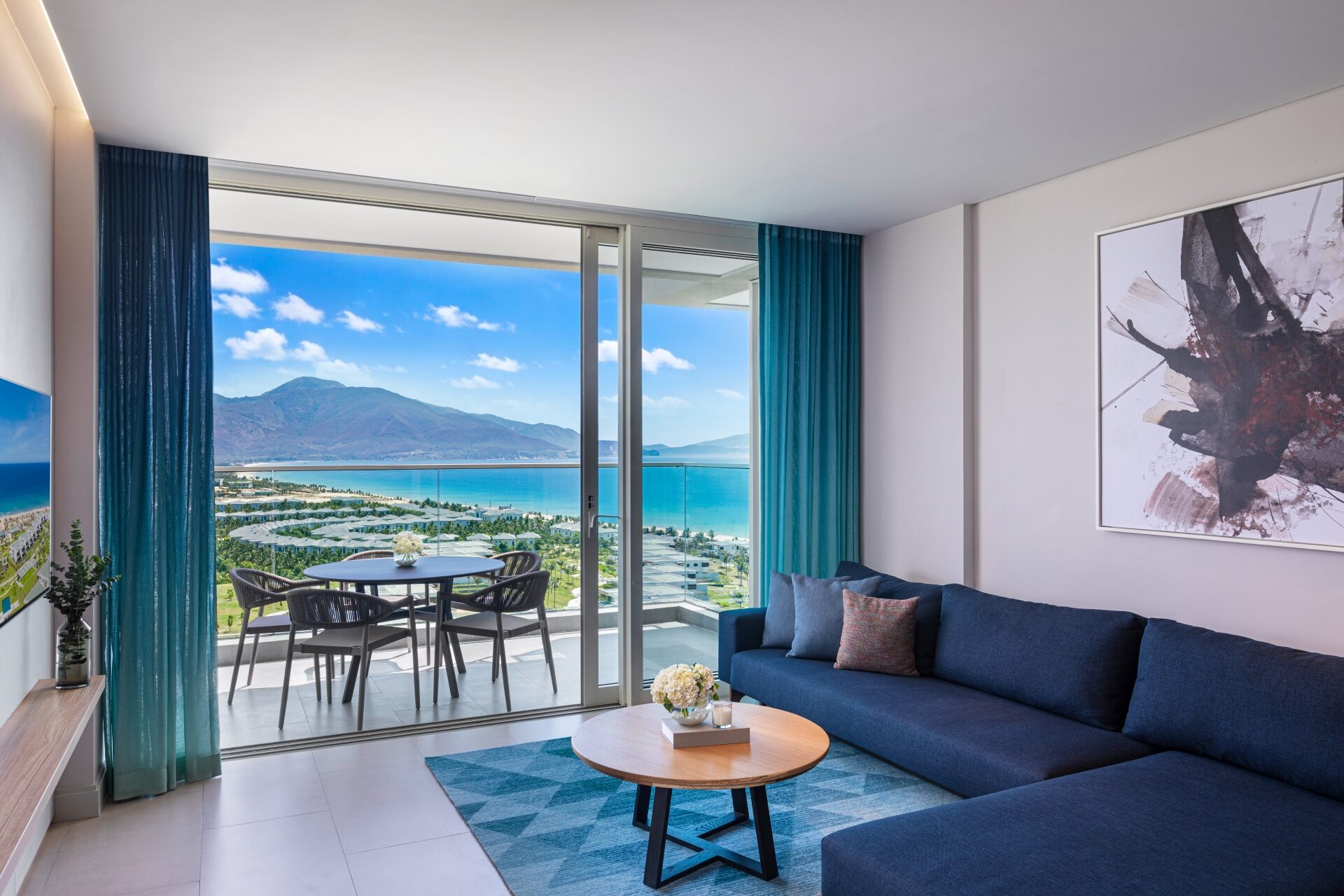
For travelers who don’t need a private pool or villa-style space, the 1 Bedroom Suite with Terrace Ocean View is the resort’s entry-level category at 70 sqm, which the resort itself points to as one of the largest entry-level suites in the area, with its own terrace and ocean-facing outlook rather than a standard hotel-size room.
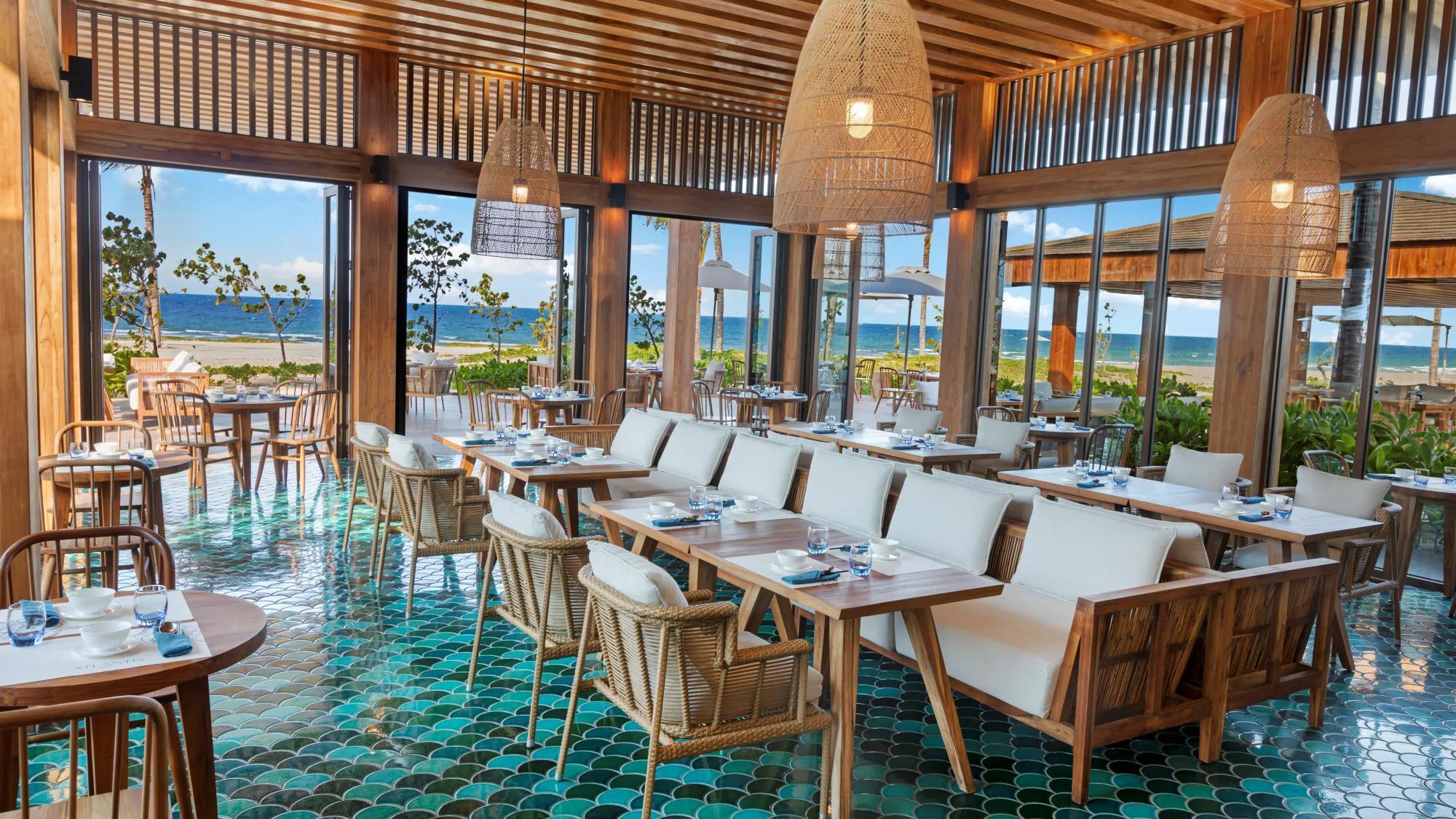
For dinner, Atlantis is the resort’s beachfront seafood restaurant, led by Chef Nguyen Bao Tung, who personally selects the day’s live catch. It seats guests across two dinner sittings (17:30 to 19:00, then 19:30 to 21:00) with open views over the water; it runs à la carte daily except Mondays and Thursdays, worth checking before building a specific night around it.
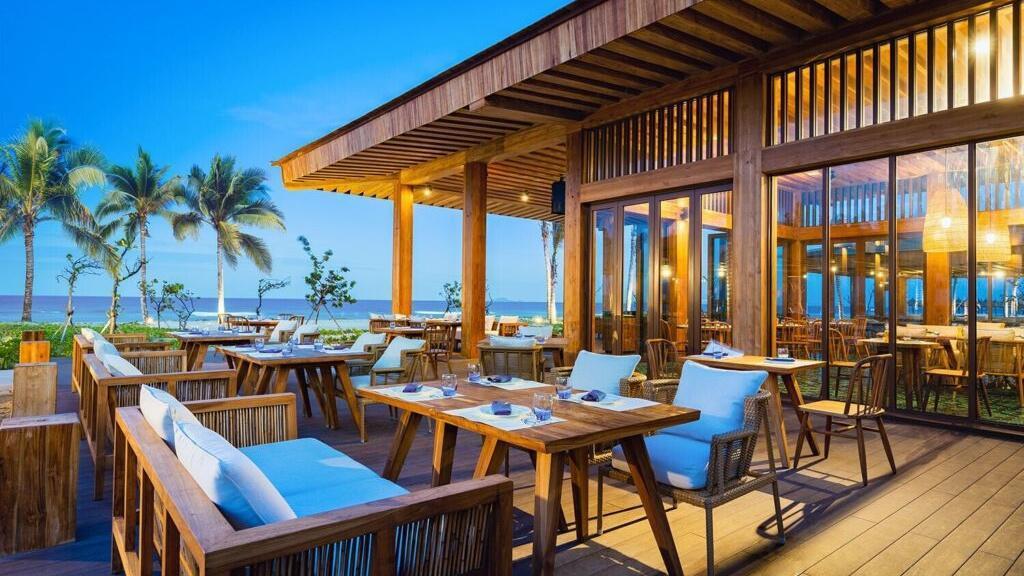
Live lobster and sea urchin are the restaurant’s headline ingredients, prepared alongside Vietnamese specialties like flower crab, the kind of dish a visitor would otherwise have to seek out at a proper local seafood restaurant in the city. Reservations are recommended for the earlier sitting in particular, since it tends to book up with families wanting to eat before younger kids get too tired.
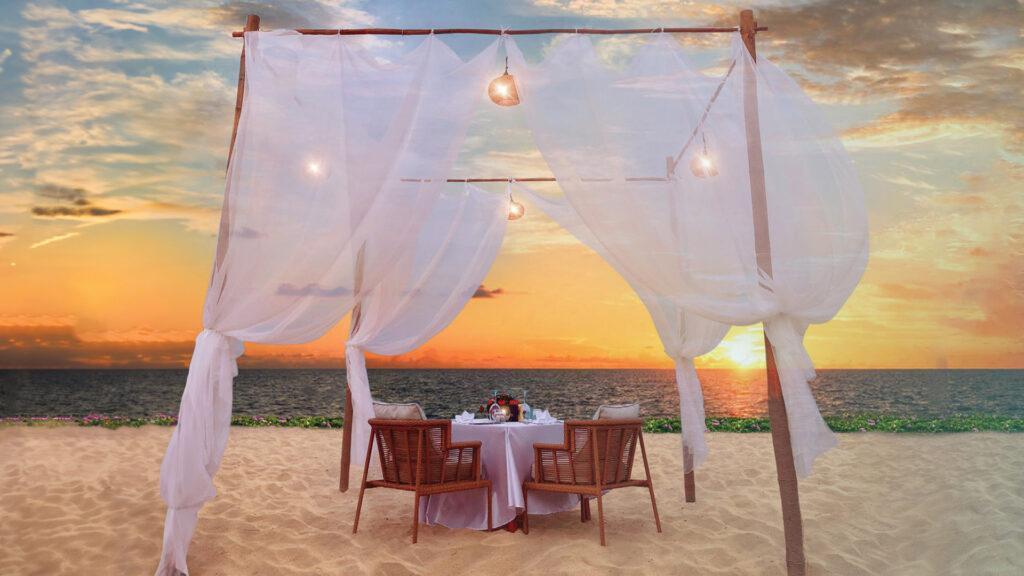
For a dedicated night out rather than a regular dinner, the resort also runs a private Romantic Dinner setup directly on Bai Dai Beach, a two-person set menu with a wine pairing served during the 18:00 to 21:30 sunset window; current pricing isn’t published online, so it’s worth confirming directly with the resort when booking.
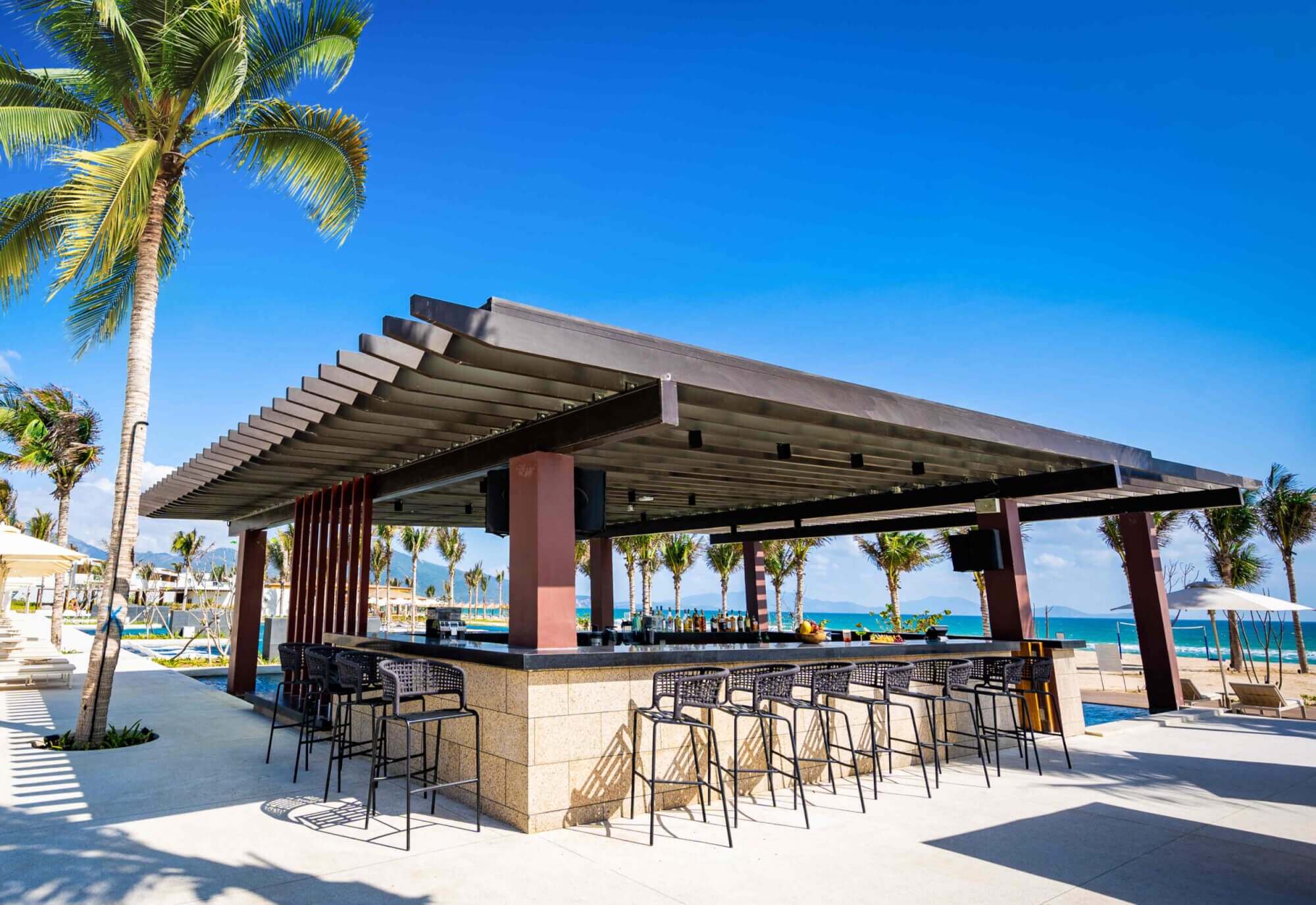
In the evening, Beach Bar keeps things simple, a beachfront spot built around Mai Tais and fresh coconut drinks rather than an elaborate cocktail list, and it doubles as an easy way to sample a few seafood bites from Atlantis next door without committing to a full sit-down meal.
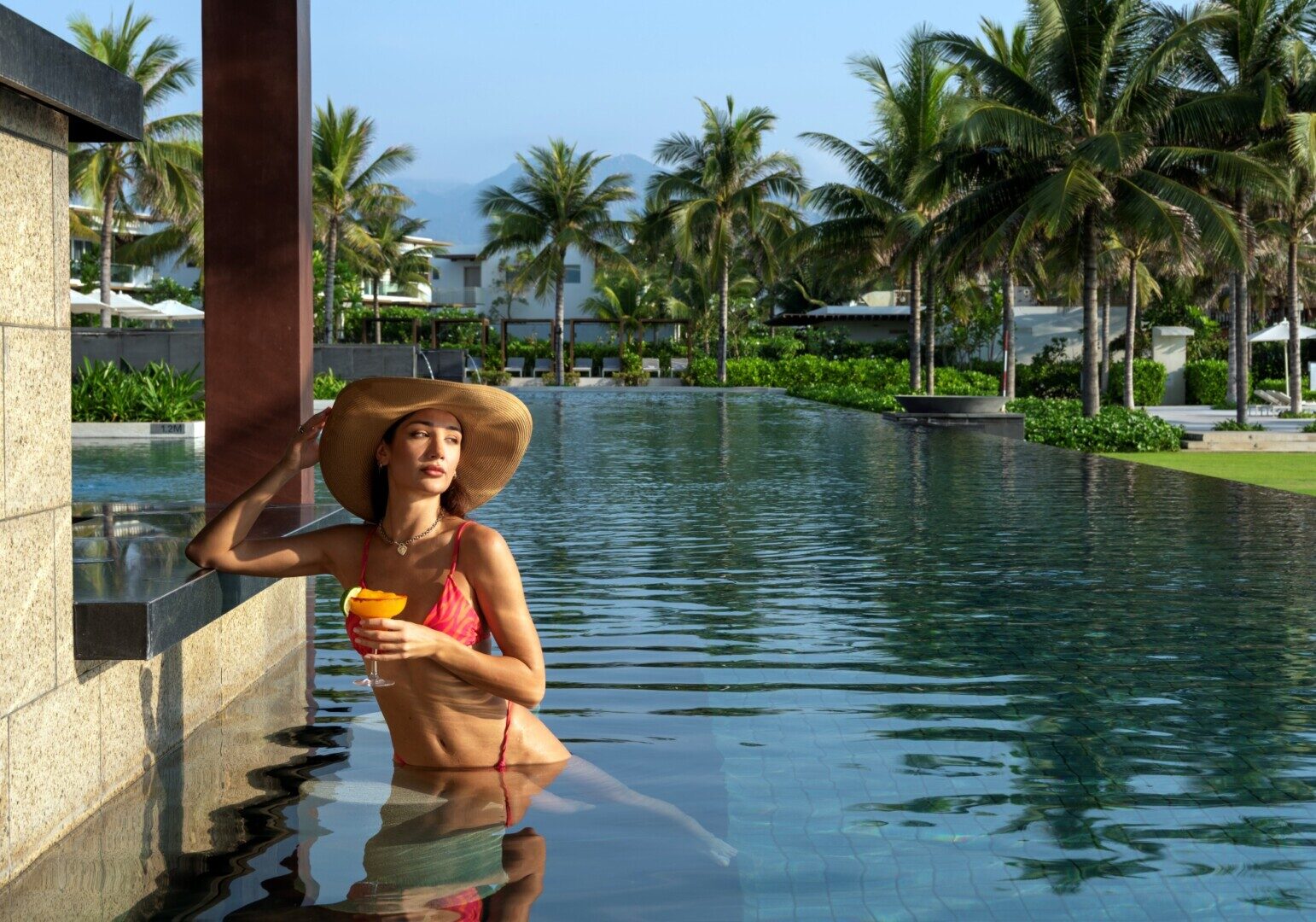
The bar also runs Sunset Sessions, a standing afternoon offer pairing drinks and small bites with the ocean view as the sun drops, currently listed among the resort’s live offers; confirm the exact hours and current pricing before planning an evening around it, since offer details are updated periodically.
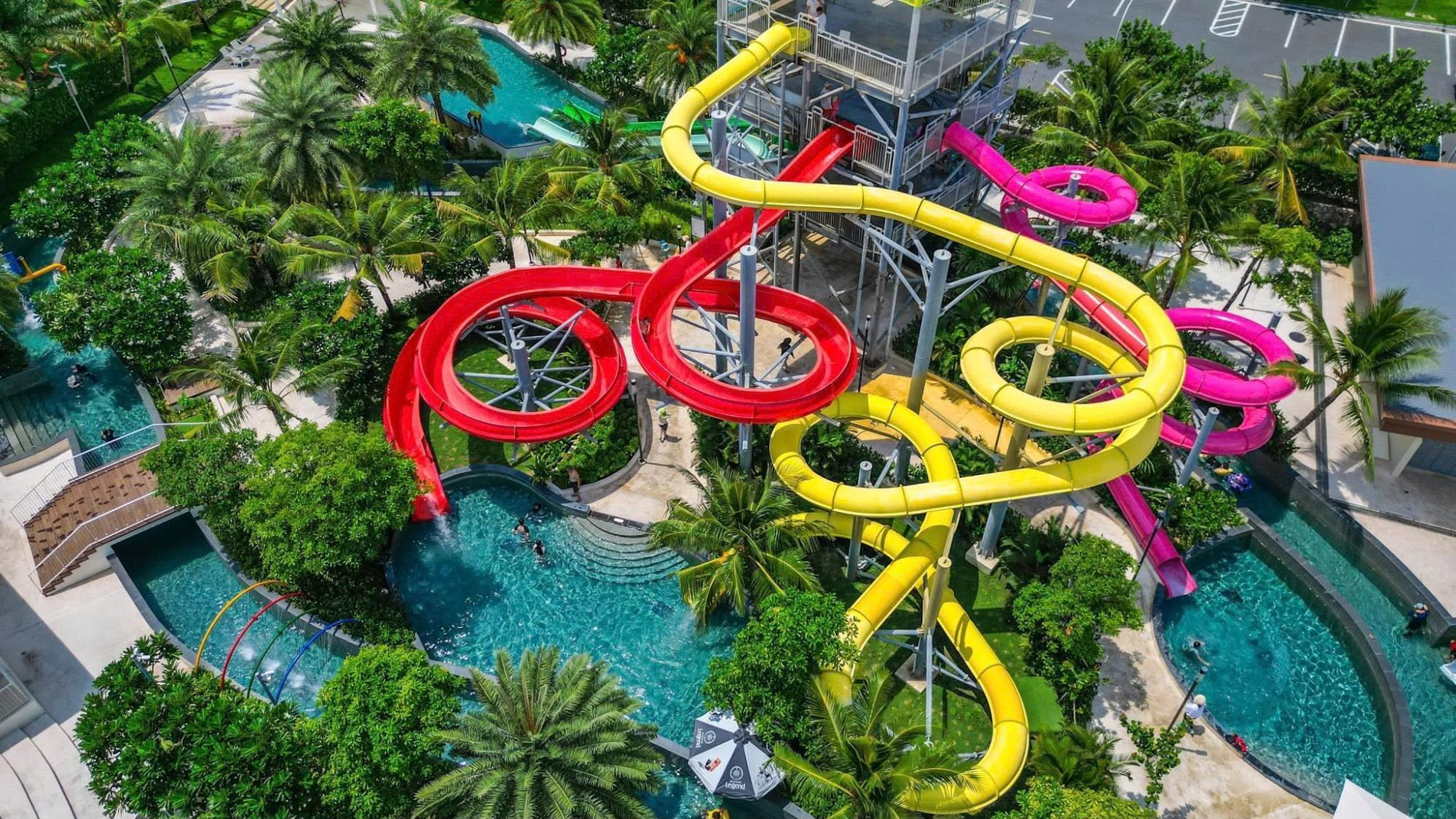
Families in particular gravitate toward Splash Water Park, the resort’s own water park with a wave pool, a lazy river, family slides, and a dedicated kids’ pool area, all inside the property, so a full water-park day doesn’t require leaving the resort or paying separate park admission.
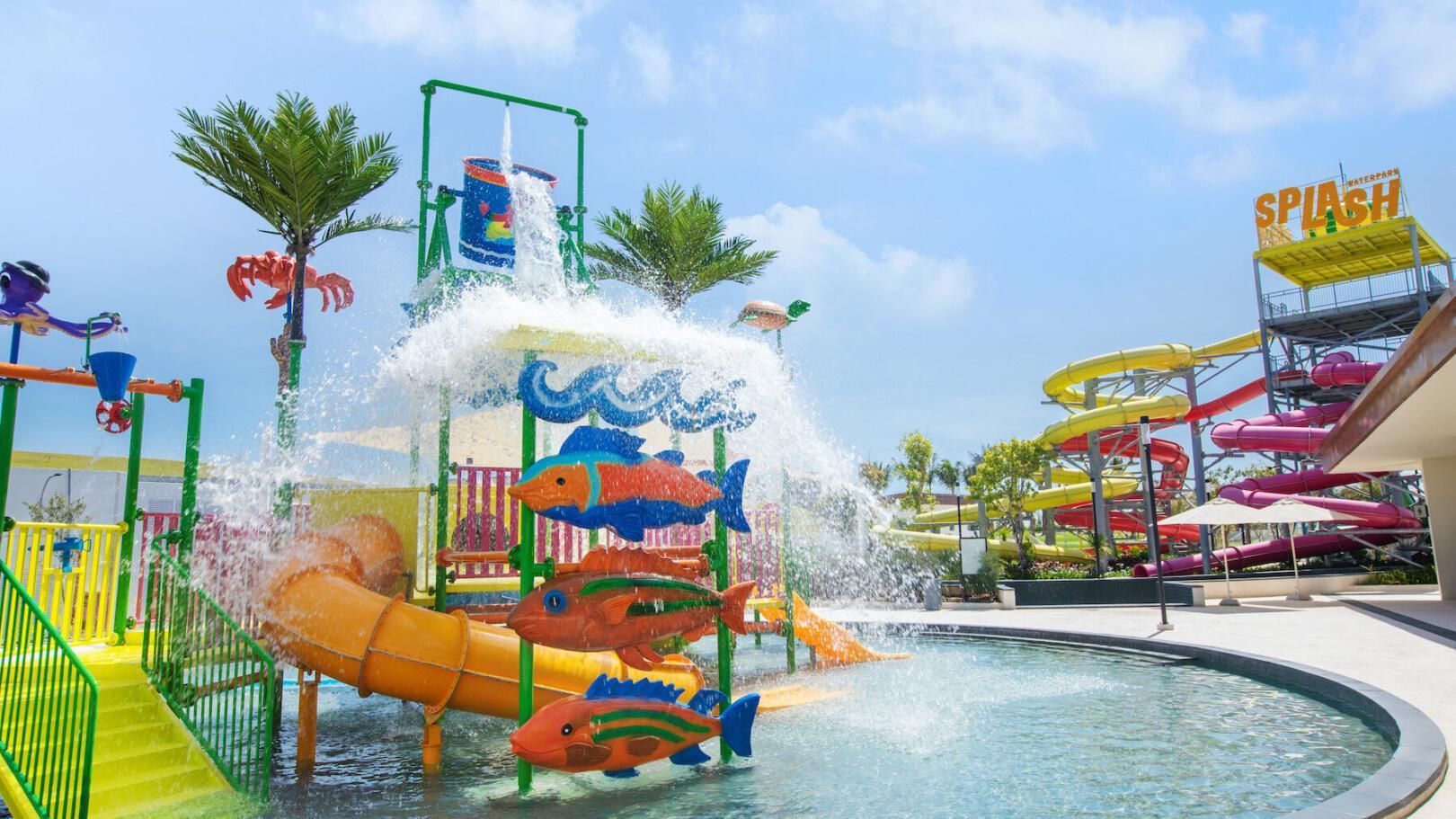
Because the park sits inside the resort grounds, families can treat it as a between-meals activity rather than a full-day outing, dipping in for an hour before lunch and again in the late afternoon once the sun has softened. That flexibility matters more with young kids, who rarely last a full day at any single attraction.

Anyone shorter than 1.3 meters needs an adult with them at all times in the water, and hourly rentals (single and double floats, bodyboards, mini jet skis, bubble bikes) run from roughly VND 100,000 to 600,000, worth budgeting for if the plan is more than just the slides.

Between the beach frontage, the family-focused facilities, and the shorter run to the airport, Alma works particularly well for travelers who want Nha Trang’s islands and city sights within reach, without making the city itself the place they sleep every night.
Decide by commute time, not just by price
The real trade-off is time: staying on the peninsula puts you about 10 minutes from the airport but roughly 40 minutes from downtown, so it suits travelers who plan to spend most days by the water.
Couples or small families who want separation from other guests can look at the 147 sqm beachfront 1 Bedroom Villa with its own private pool; if you want the night market every evening, the city is the better base.
Conclusion
Nha Trang earns its reputation through range: a real city, a sheltered bay full of islands, and a coastline long enough to hold both busy beach clubs and quiet resort stretches like Bai Dai without either feeling crowded out. That range is the whole point of this Nha Trang travel guide, and it’s why a single-beach itinerary rarely does the destination justice.
If a calmer base near the airport sounds better suited to your trip than the city center, Alma Resort Cam Ranh puts Bai Dai Beach, its own water park, and easy access to Nha Trang’s islands and sights all within reach. Book a stay and see how much more relaxed a Nha Trang trip feels from the peninsula side.
*Prices are for reference only and may change without notice. Please contact us directly for current rates.
Frequently Asked Questions
How many days do you need in Nha Trang?
Three to five days covers the city sights, one island-hopping day, and a rest day without feeling rushed, roughly the pace this Nha Trang travel guide is built around. Travelers combining a city stay with time on the Cam Ranh Peninsula often extend to a week.
Is Nha Trang expensive to visit?
Nha Trang is generally affordable by international standards. Street food, local transport, and budget accommodation cost a fraction of Western prices, with a full local meal often under 5 USD, while resort stays and organized tours push the daily budget up considerably depending on the property and activities chosen.
How far is Nha Trang from Cam Ranh airport?
Downtown Nha Trang is about 35 kilometers from Cam Ranh International Airport, a 45 to 60 minute drive depending on traffic. Resorts on the Cam Ranh Peninsula itself, including Alma, sit much closer, around 10 minutes from the terminal.
What is Nha Trang famous for?
Nha Trang is best known for its sheltered bay and offshore islands, particularly Hon Mun’s marine protected reefs, along with its long city beach, some of the best restaurants in Nha Trang, and the Po Nagar Cham Towers overlooking the Cai River.
Is Nha Trang good for families?
Yes. Calmer stretches like Bai Dai Beach suit younger children better than the busier city beach, and family-oriented resorts along the peninsula, along with VinWonders Nha Trang’s rides and water park, give families plenty to do beyond just the beach.