


Best Time to Visit Nha Trang 2026: Weather, Seasons & Travel Tips
Table of Contents
- 1 When Is the Best Time to Visit Nha Trang?
- 2 When Is the Dry Season in Nha Trang?
- 3 How Does Nha Trang’s Season Differ From the Rest of Vietnam?
- 4 What Is the Weather Like Month by Month?
- 5 When Should You Go to Avoid the Crowds?
- 6 When Is the Best Time for Island Hopping and Diving?
- 7 What Are the Top Attractions to Enjoy in the Dry Season?
- 8 Where to Stay for Sunny Days and Calm Seas
- 9 Conclusion
- 10 Frequently Asked Questions
Nha Trang actually runs on a different weather clock than most of Vietnam, dry when the south is wet and wet when the north is finally drying out. That quirk of geography is most of the answer to the best time to visit Nha Trang, and it’s worth understanding before booking around a date that would make perfect sense for Hanoi or Ho Chi Minh City but not here.
Quick Summary: Best Time to Visit Nha Trang
- Best Overall: January through August is the dry season, with warm, mostly rain-free days and calm seas for the beach and the islands.
- Most Comfortable: February to May offers the most comfortable temperatures before the peak heat of June through August.
- Wettest Months: October and November bring the heaviest rain and an occasional typhoon risk.
- For Divers: April to August brings the clearest, calmest water for diving, snorkeling, and island days.
- Fewer Crowds: February to March or May offers good weather with fewer people, while October to December has the lowest prices if you can risk rain.
When Is the Best Time to Visit Nha Trang?
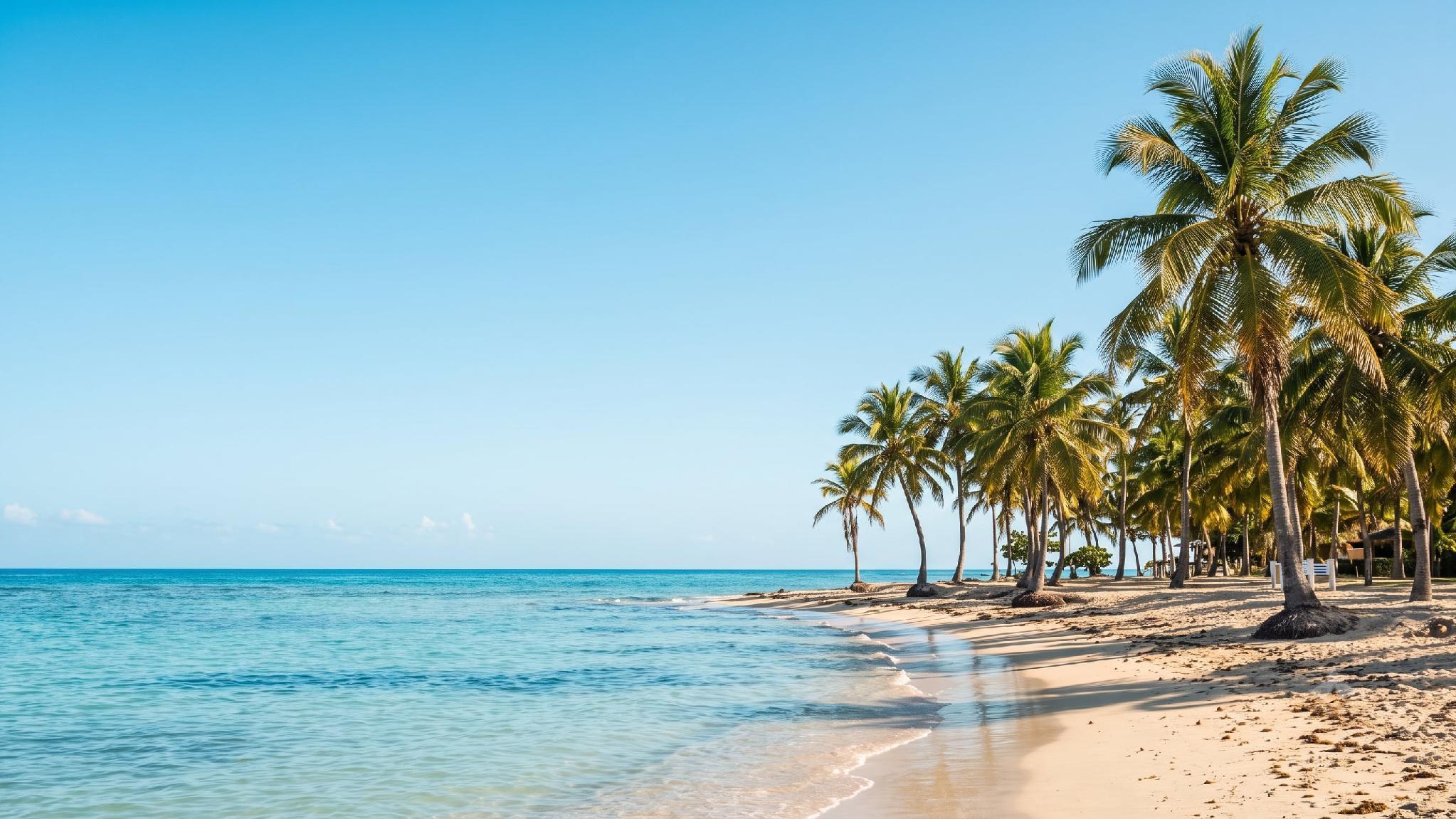
January through August is the best time to visit Nha Trang overall, covering the entire dry season with warm, mostly rain-free days and calm seas ideal for the beach and the islands. Within that window, February to May offers the most comfortable temperatures before the peak summer heat of June through August sets in.
September through December is the trade-off season, with October and November specifically bringing the heaviest rain and the occasional typhoon risk. It isn’t a reason to rule out a trip entirely, but it does genuinely change what kind of trip makes the most sense to plan.
There’s no single universally correct answer beyond that broad window, though, since the ideal month for one traveler depends heavily on what the trip is actually built around.
- Diving, snorkeling, or island days: April to August, when the water is clearest and calmest
- Guaranteed sun and don’t mind crowds: June to August, the peak of the dry season
- Good weather with fewer people: February to March, or May
- Lowest prices, willing to risk rain: October to December
Pick the month by what the trip is built around
There is no single right month inside the dry-season window; it depends on the trip: April to August for clear water and island days, June to August for guaranteed sun, and February to March or May for good weather with fewer people.
If budget matters more than sunshine, October to December brings the lowest prices, but plan for rain rather than hoping to avoid it.
When Is the Dry Season in Nha Trang?
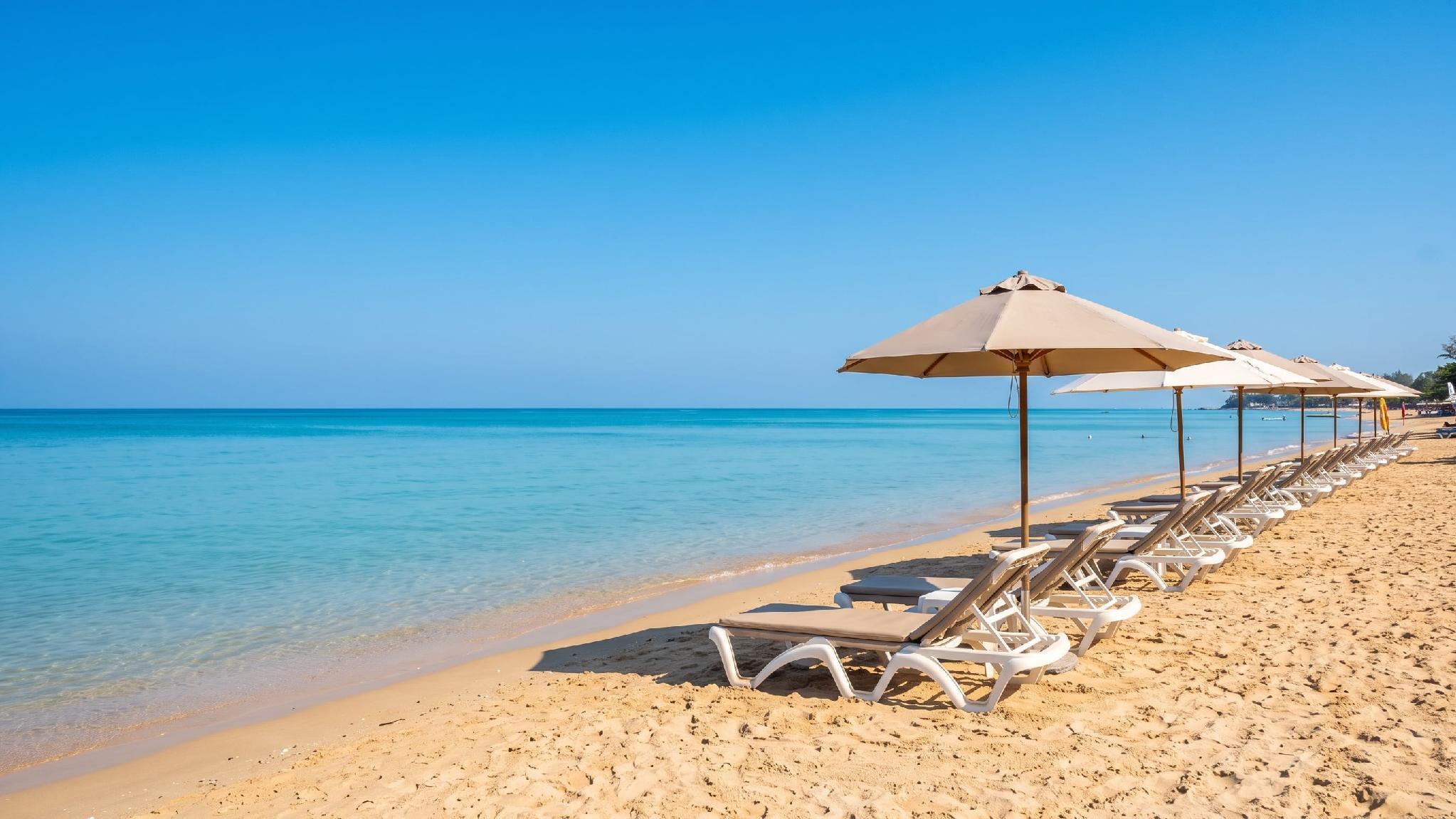
Nha Trang’s dry season runs roughly January through August, an unusually long stretch by Vietnamese standards, with the wet season compressed into September through December instead. Rainfall during the dry months is minimal, and the little that does fall tends to arrive as a brief afternoon shower rather than a day-long washout.
Detailed Information:
- Duration: Roughly January through August
- Typical Rainfall: Minimal; brief afternoon showers rather than day-long rain
- Humidity: Moderate, milder than Hanoi or Ho Chi Minh City’s own wet seasons
- Wind: Can pick up suddenly even on an otherwise clear day, watched closely by boat operators
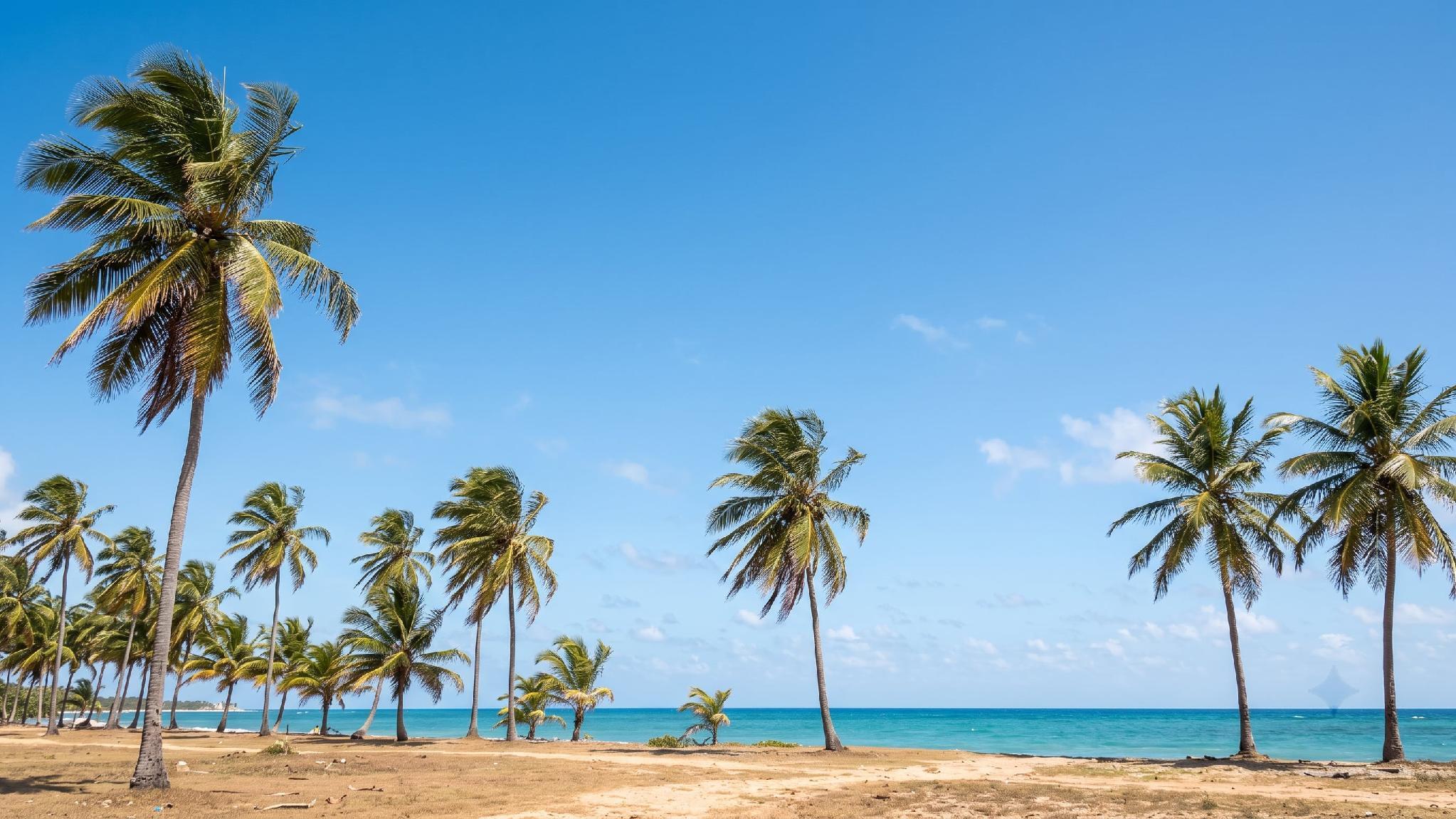
That eight-month stretch is also longer than the dry seasons most other Vietnamese beach destinations get, which is part of why so many travel guides treat the dry season itself as shorthand for the best time to visit Nha Trang rather than pointing to one single specific month.
Clear skies can still mean a cancelled boat
Even in the dry season, wind can pick up suddenly on an otherwise clear day, and boat operators watch it closely, so a sunny forecast does not guarantee an island trip goes ahead.
Rain itself is rarely the problem in these months: it tends to arrive as a brief afternoon shower rather than a day-long washout, so keep afternoons flexible rather than cancelling plans.
How Does Nha Trang’s Season Differ From the Rest of Vietnam?
Vietnam doesn’t really have one dry season, it has three overlapping ones that shift across the country’s roughly 1,650 km length. The south runs dry from November to April while the north stays damp, and central Vietnam, where Nha Trang sits, bakes under mostly clear skies from around January to August, exactly when the south is settling into its own wet season.
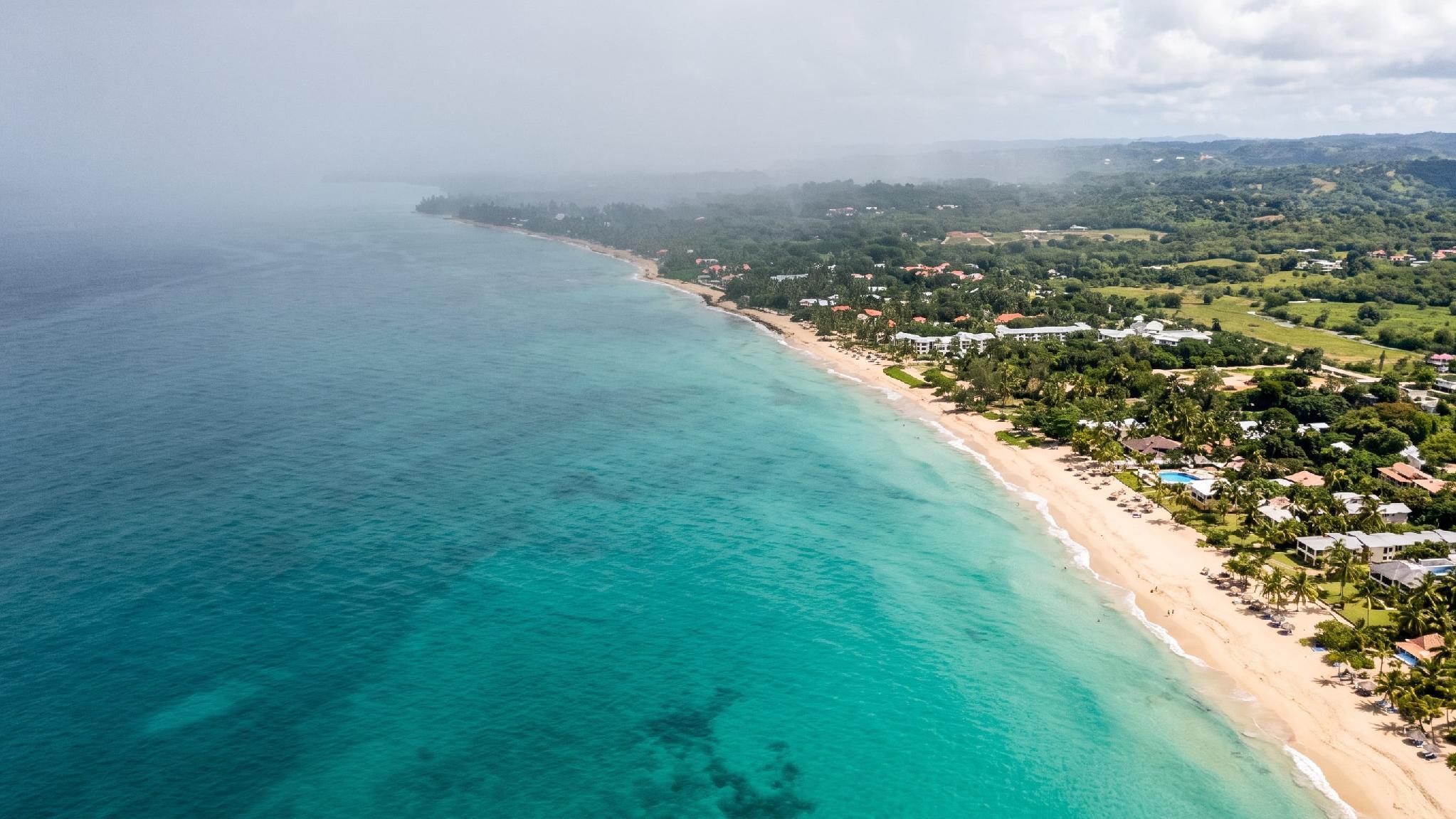
That means a trip timed perfectly for Hanoi or Ho Chi Minh City can land right in the middle of Nha Trang’s rainy stretch, and vice versa. Checking the region specifically, not just “Vietnam” as a whole, matters more here than it does for a lot of other destinations.
A traveler building a longer Vietnam trip around Nha Trang and one or two other cities should plan the itinerary in that order too, checking each stop’s own regional season rather than assuming a single date range works for the whole country.
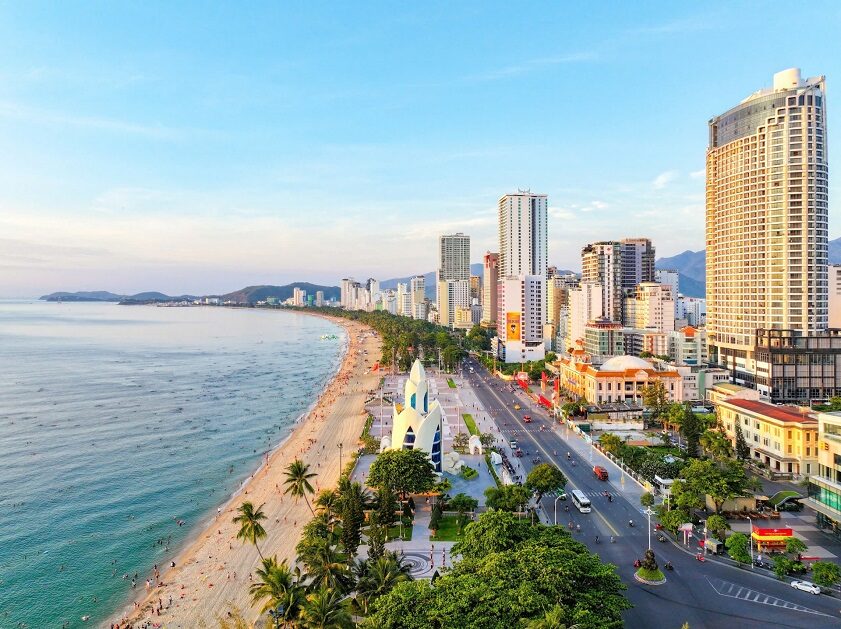
A common trip pattern pairs Nha Trang with Hoi An or Da Nang further up the central coast, both of which share a broadly similar dry-season window, making it easier to plan a multi-stop central Vietnam itinerary around one weather pattern rather than juggling three separate ones.
A trip combining Nha Trang with Hanoi or Sapa in the north needs more careful planning by comparison, since those regions can be genuinely cold and damp during exactly the months Nha Trang is at its driest and sunniest, which sometimes means splitting a longer trip into two separate weather-appropriate legs rather than one continuous route.
None of this changes the core advice for Nha Trang on its own, though, since the region’s own dry season is long and reliable enough to plan around confidently, even if the rest of a longer Vietnam itinerary needs more careful sequencing.
Pair Nha Trang with Hoi An or Da Nang, not Hanoi
A date that is perfect for Hanoi or Ho Chi Minh City can land in Nha Trang’s rainy stretch, so check the region, not just “Vietnam”, before booking.
Hoi An and Da Nang share a broadly similar dry-season window, which makes a central-coast trip easy to plan; pairing Nha Trang with Hanoi or Sapa may mean splitting the trip into two legs, since the north can be cold and damp exactly when Nha Trang is at its sunniest.
What Is the Weather Like Month by Month?
Breaking the year into four rough blocks makes the pattern easier to plan around than treating every month as its own unpredictable variable. Here’s how each stretch actually feels on the ground.
January to March, Cool and Dry
The coolest stretch of the year, with daytime temperatures generally in the low to mid-20s Celsius (mid-70s to high-70s Fahrenheit) and low humidity. It’s a comfortable window for sightseeing and island trips, if slightly cooler for extended swimming than later in the year.
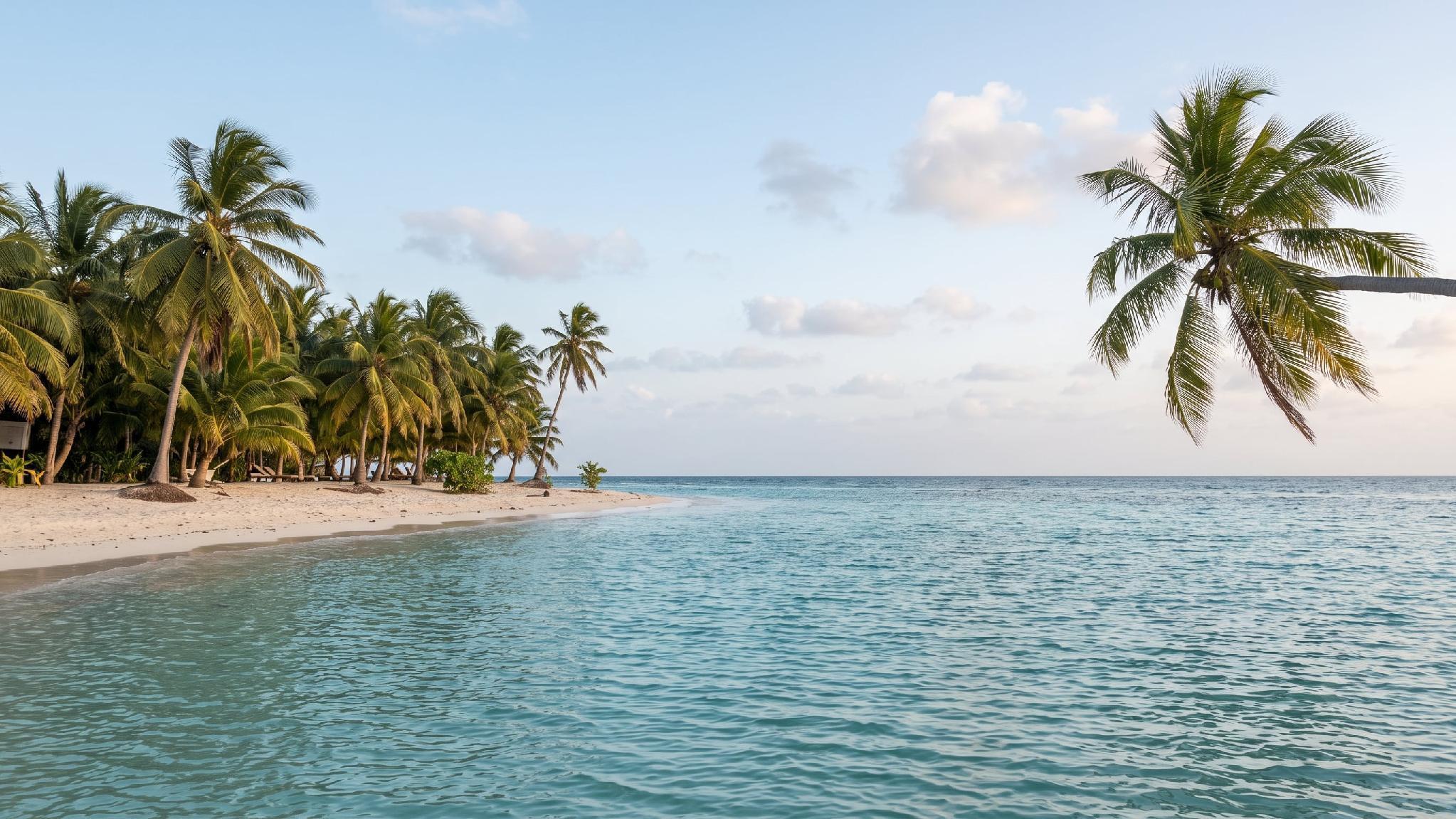
This is also when Tet, the Lunar New Year, typically falls, so it’s worth checking the exact dates each year and booking well ahead if the trip overlaps, since domestic travel and local business hours both shift noticeably around the holiday.
Some smaller family-run restaurants and shops close entirely for several days around Tet itself, while resorts and major attractions generally stay open and often add their own seasonal events, so the disruption is smaller for a visitor staying at a resort than it is for one relying mostly on local street food and small family-run eateries.
April to June, Warm and Sunny
Temperatures climb into the high-20s and low-30s Celsius (mid-80s to low-90s Fahrenheit) with plenty of sun and still very little rain, generally considered the sweet spot for combining warm beach weather with manageable heat.
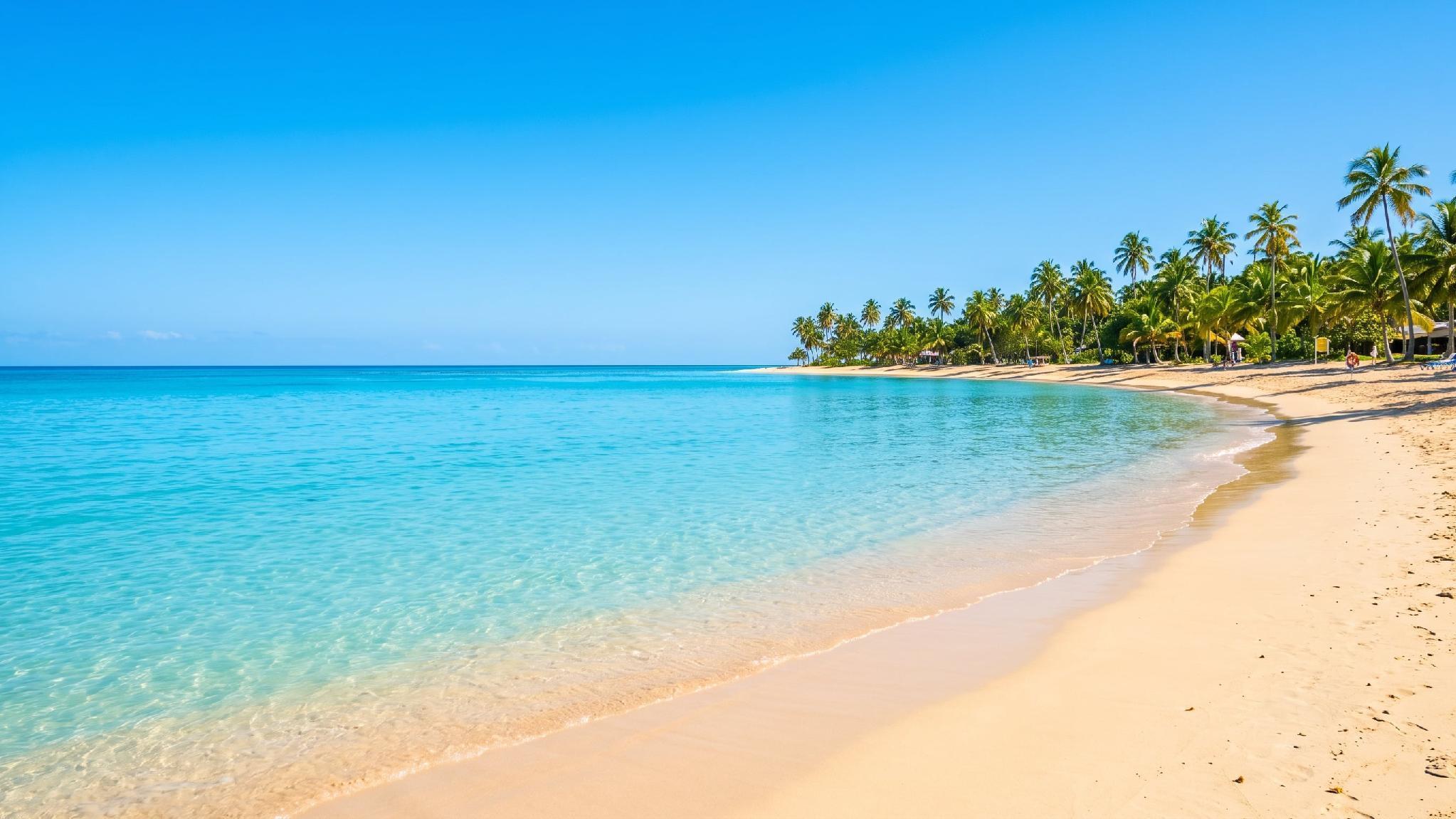
Sea conditions during this stretch are also some of the calmest of the year, which is a big part of why many divers and snorkeling operators name this window specifically if the islands are the main reason for the trip.
Evenings cool down enough during these three months to make an outdoor dinner genuinely comfortable too, a small detail that matters more on a beach trip than it might elsewhere, since so much of the day is already spent outside in the sun by the time evening rolls around.
July to August, Hot and Busy
The hottest part of the dry season, often pushing into the mid-30s Celsius, coincides with domestic summer holidays, so beaches, islands, and restaurants all get noticeably busier. Booking accommodation and island tours further ahead matters more during these two months than any other time in the dry season.
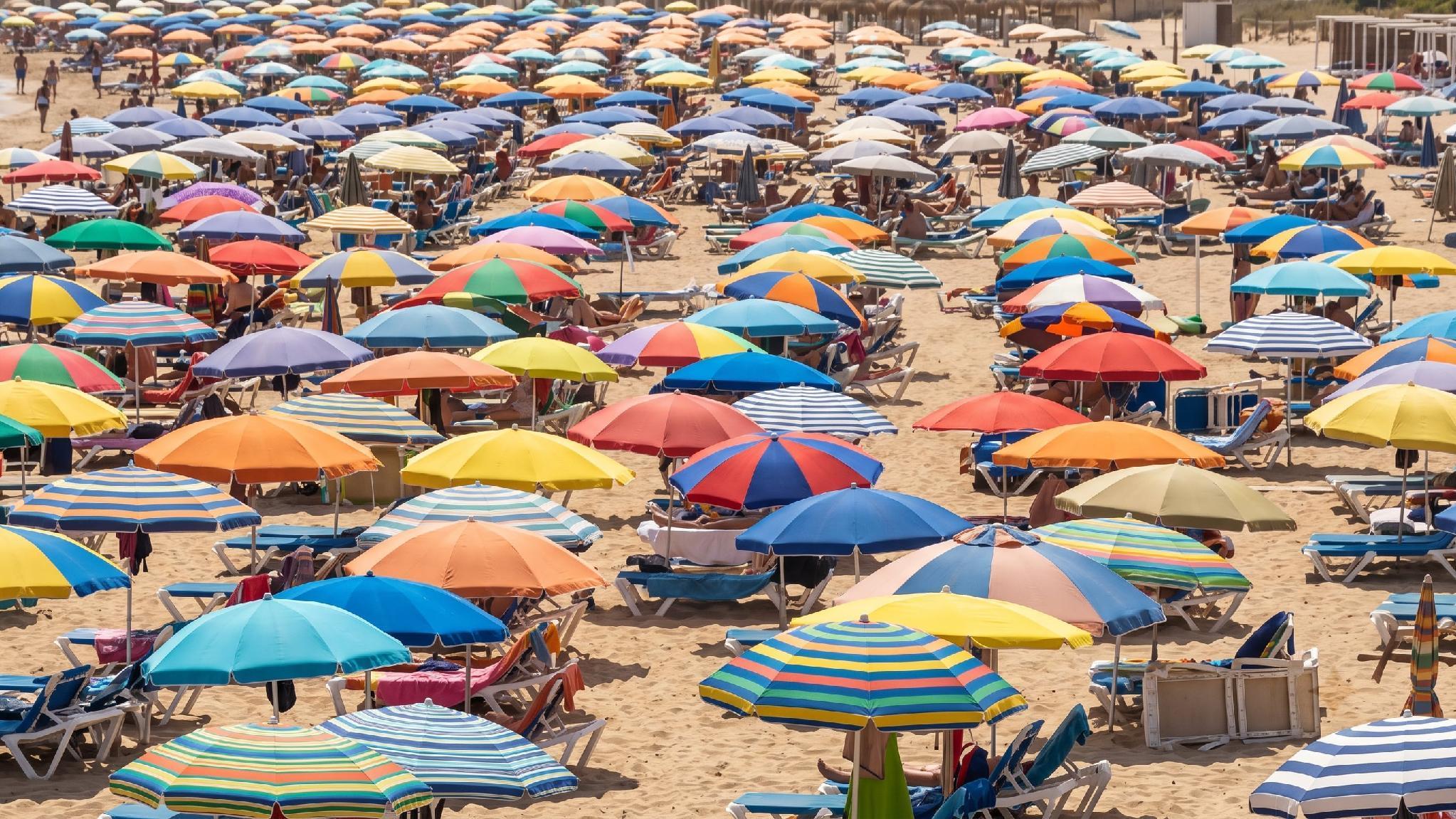
Midday heat is genuinely intense during these two months, enough that scheduling outdoor sightseeing for the morning or late afternoon, and treating the middle of the day as pool or air-conditioned downtime, makes a real difference to how the trip feels.
Anyone specifically trying to time a trip around the best time to visit Nha Trang for cooler weather should look earlier in the dry season instead, since July and August trade comfort for guaranteed sun and busier everything.
September to December, the Rainy Months
Rain increases through September before peaking in October and November, the wettest months of the year and the ones carrying the highest typhoon risk. December tends to ease off somewhat, with shorter, more intermittent showers than the two months before it.
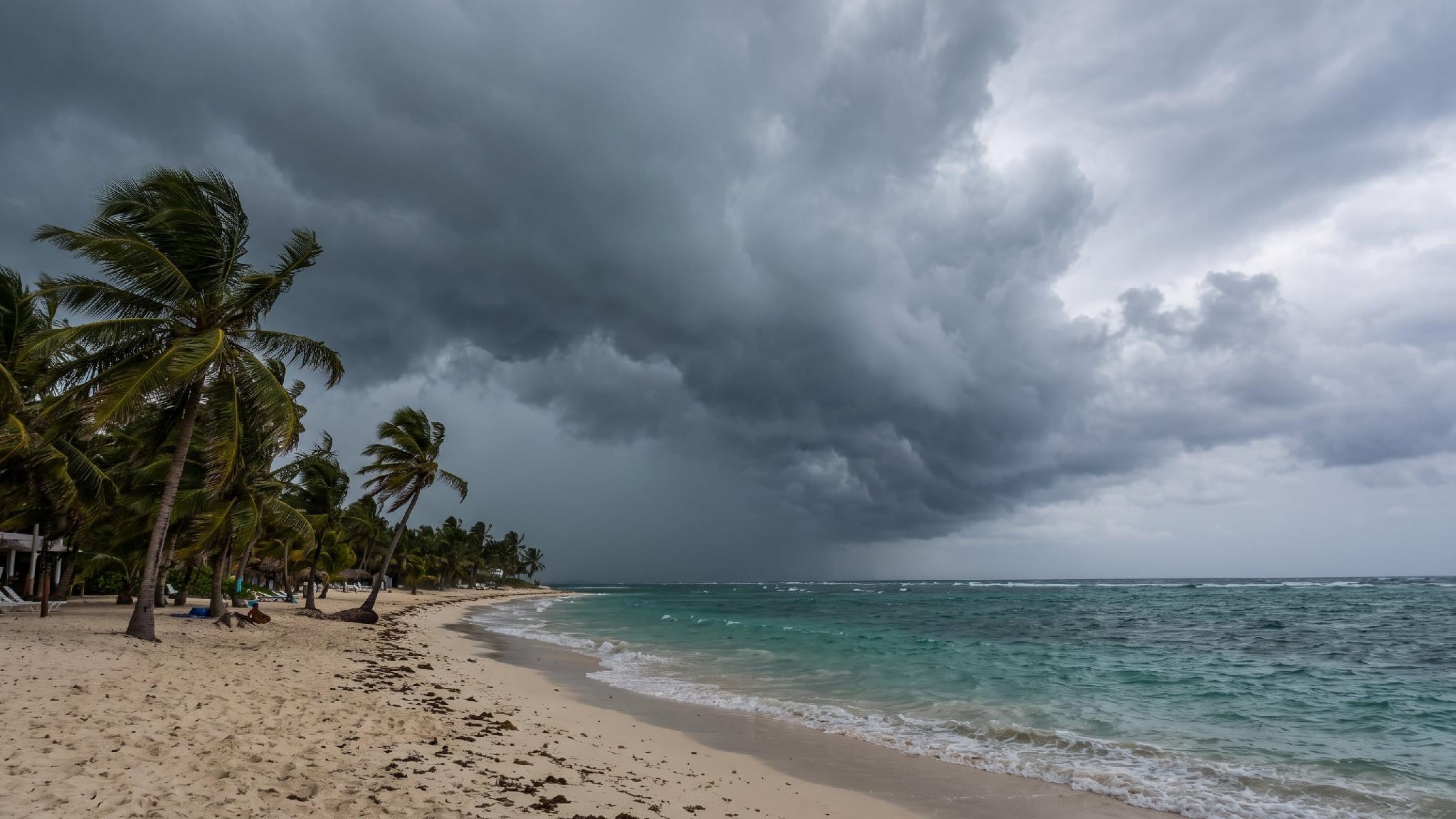
November alone averages around 330 mm of rainfall, compared to roughly 49 mm in February, the driest month of the year, a gap that shows just how lopsided the rainy season really is. That’s a real trade-off to weigh against the lower prices and thinner crowds those wetter months bring elsewhere in the city.
Flight and hotel cancellation policies are worth double-checking specifically for trips booked across this window, since a genuine typhoon warning can shift plans on short notice in a way the drier months almost never require. Anyone asking about the best time to visit Nha Trang purely to avoid this kind of disruption should treat October and November as the two months to actively plan around.
Travel insurance with weather-related cancellation coverage is worth a second look for a trip booked into this window too, since a standard policy doesn’t always cover a delay caused by a typhoon warning the same way it covers a medical emergency.
Lined up side by side, the month-by-month pattern above is easier to scan at a glance than reading back through each section individually.
| Period | Weather | Best For |
|---|---|---|
| January to March | Cool, dry, low humidity | Sightseeing, comfortable temperatures |
| April to June | Warm, sunny, calm seas | Island hopping, diving, snorkeling |
| July to August | Hot, dry, busiest | Beach days (book ahead for crowds) |
| September | Rain increasing | Shoulder-season pricing, fewer crowds |
| October to November | Heaviest rain, typhoon risk | Budget trips with flexible plans |
| December | Rain easing off | Quiet, lower-priced trips |
When Should You Go to Avoid the Crowds?
A few specific windows consistently offer good weather without the biggest crowds, worth targeting directly rather than just picking a random week in the dry season.

- February to March: good weather, right after the Tet travel surge eases off
- May: still dry and sunny, just ahead of the June to August summer rush
- December: rain risk is real, but crowds and rates both drop noticeably
Local school holidays and domestic long weekends are worth checking too, separate from the international peak season, since a quiet week by international standards can still be genuinely busy if it lines up with a Vietnamese public holiday.
None of these windows guarantee good weather on any specific day, only better odds than the alternative, which is really the most honest way to think about picking the best time to visit Nha Trang in the first place.
Reunification Day and Labor Day, both falling in late April and early May, are a particularly good example: international arrivals might be relatively low that specific week, but the beaches and islands still fill up fast with domestic travelers making the most of their own long weekend.
When Is the Best Time for Island Hopping and Diving?
April through August gives the clearest water and calmest seas for snorkeling and diving around Hon Mun and the other bay islands, the window most local dive operators point to specifically. Visibility drops noticeably once the rainy season’s runoff and rougher seas arrive from September onward.

October and November in particular see more tour cancellations than any other months, since rough seas make the crossing to the outer islands genuinely unsafe rather than just less comfortable. Building a couple of flexible days into an itinerary during this stretch is worth doing if an island trip is a priority.
Booking an island tour on arrival rather than in advance during the rainy season gives operators a chance to confirm the day’s actual sea conditions first, which usually beats locking in a fixed date months ahead and hoping the weather cooperates.
Larger tour boats generally handle rougher conditions better than smaller speedboats, so travelers visiting outside the calmest months might specifically ask which type of vessel a given tour uses before booking, rather than assuming all island-hopping boats are built the same way from one operator to the next.
None of this is meant to talk anyone out of an island day outside the calmest months, only to set realistic expectations and build in a backup plan, since the weather can genuinely change the whole shape of that particular day.
What Are the Top Attractions to Enjoy in the Dry Season?
Good weather opens up a few specific places worth timing a visit around rather than saving for whenever the weather happens to cooperate, on top of the wider list of things to do in Nha Trang.
Bai Dai Beach and Tran Phu Beach
Both benefit from the dry season’s calmer seas and clearer skies, though Bai Dai Beach (Long Beach) on the Cam Ranh Peninsula stays noticeably less crowded than the city’s Tran Phu Beach even during the busiest July and August weeks, simply because it’s a longer, less developed stretch of coastline.
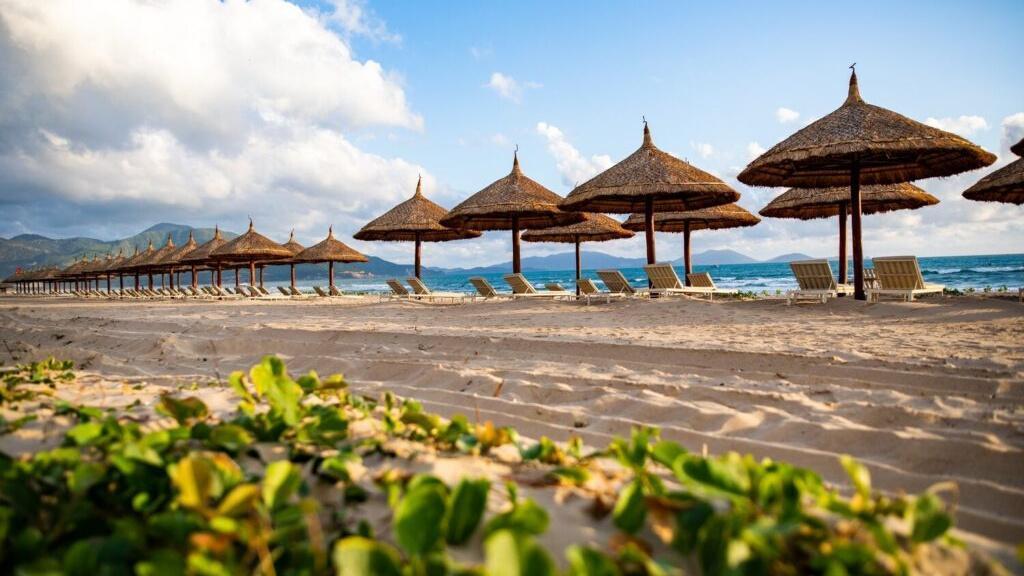
For anyone specifically weighing where to spend beach time during the best time to visit Nha Trang, that gap in crowd levels between the two beaches is worth factoring in alongside the weather itself when deciding where to base a trip.
Island Hopping to Hon Mun and Hon Tam
Hon Mun’s protected reefs and Hon Tam’s swimming beach and mud baths are both at their best between April and August, when the crossing is calmest and the water is clearest for snorkeling.
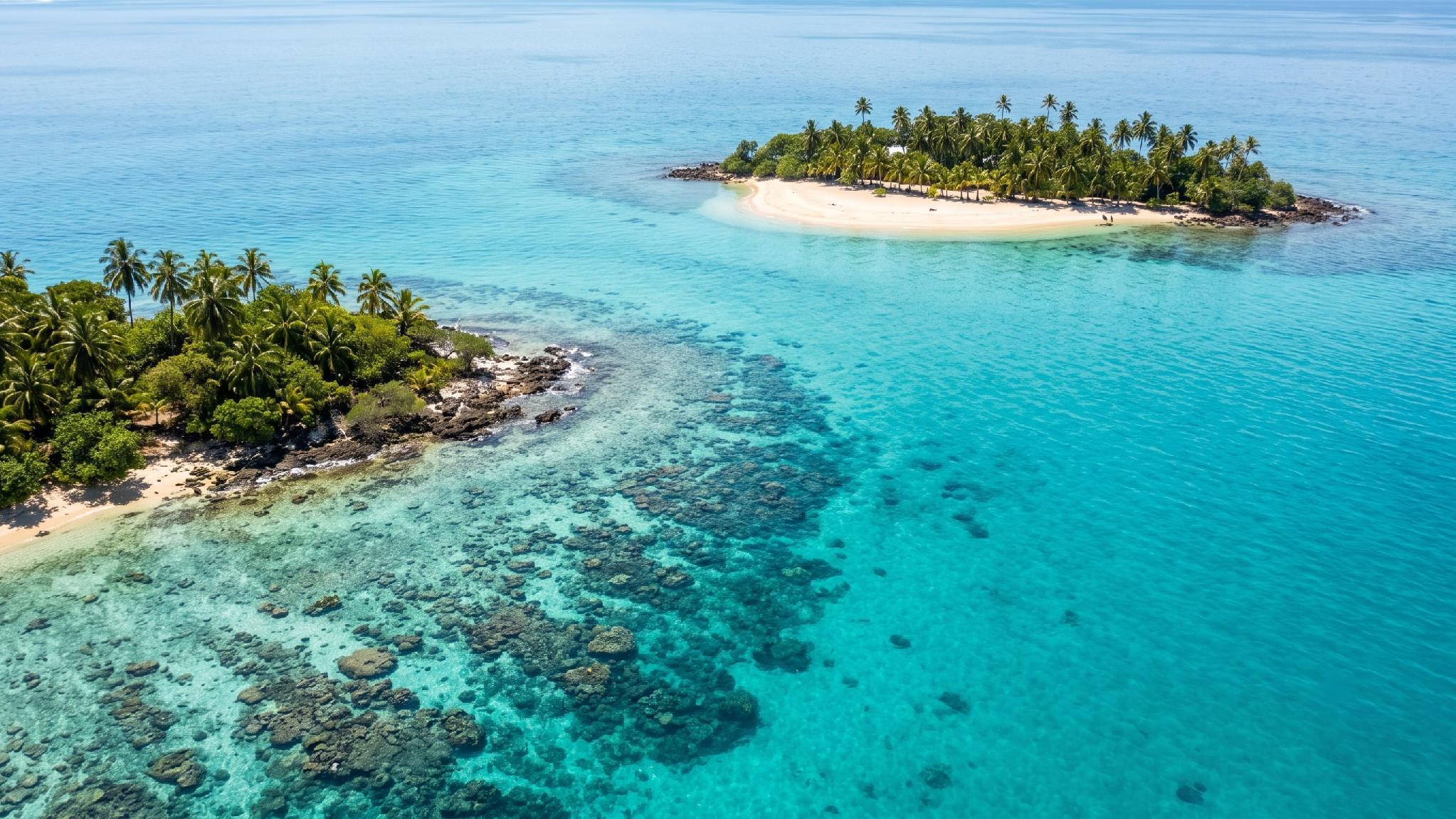
Morning departures tend to have calmer water than afternoon ones even within this window, since sea breezes typically pick up as the day goes on, so an early tour is worth choosing over a later one where operators offer both.
Sun protection matters more around these two islands than it might feel like it should, since a full day out on open water with reflected glare off the surface burns skin noticeably faster than the same hours spent on land, even under a broadly similar and equally clear sky.
VinWonders Nha Trang
The theme park and cable car on Hon Tre run year-round regardless of season, alongside the other waterparks in Cam Ranh and Nha Trang, making it one of the more reliable dry or wet-season options if the weather turns unpredictable partway through a trip. It’s a sensible backup plan to keep in mind even on a trip timed for the best time to visit Nha Trang, since an unexpected shower can still turn up outside the wettest months.

The cable car itself is covered and largely unaffected by light rain, so a shower on the mainland doesn’t necessarily rule out the crossing to Hon Tre the way it might rule out a beach day or a boat trip to the outer islands.
Read more: Best Beaches in Nha Trang 2026: City Sands to Quiet Coastal Escapes
Where to Stay for Sunny Days and Calm Seas
Alma Resort Cam Ranh sits on Bai Dai Beach on the Cam Ranh Peninsula, a location the resort itself points to as seeing around 300 sunny days a year, consistent with the long dry season central Vietnam gets relative to the rest of the country. It’s a real factor if you’re still weighing Cam Ranh or Nha Trang for a dry-season trip specifically.

That figure lines up closely with the dry-season window described above, which is really the point: a resort built around outdoor pools, gardens, and beach-facing dining only makes sense in a place that actually delivers that much sun, rather than promising it and hoping the weather cooperates.
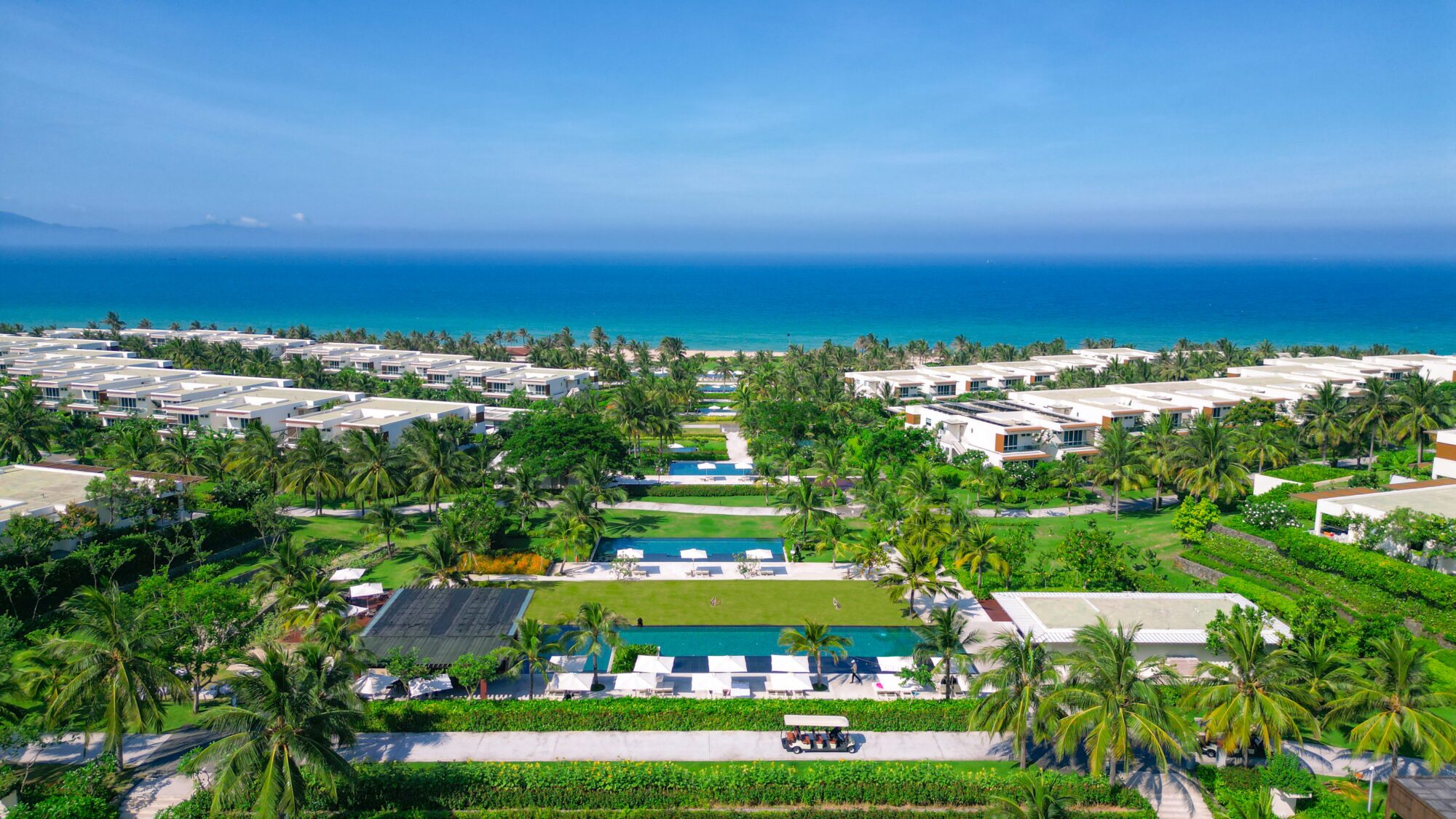
Twelve separate swimming pools spread across the property also mean there’s almost always a sunny or shaded pool available depending on the time of day, useful during the hottest stretch of the dry season when direct midday sun gets genuinely uncomfortable.

That track record has picked up outside recognition too: LLM Reader’s Travel Awards ranked Alma Best Hotel in Asia (#3) in 2022, and the Smart Travel Asia Best in Travel Poll Awards named it Best Sustainable Hotel (#6) in 2024, alongside the family and resort accolades the property has picked up in other years.
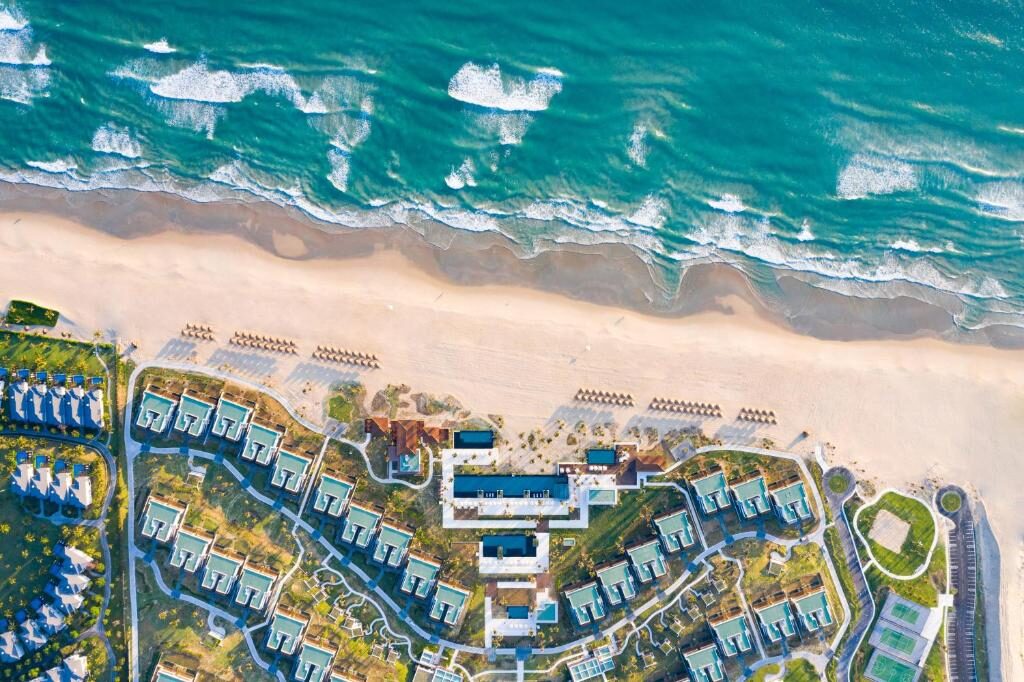
Neither award is specifically about weather, but both point to the same underlying pattern, a property built to make the most of a location that happens to sit in one of the sunnier, more reliable corners of the Vietnamese coast.
Recognition like this tends to matter more to travelers comparing several similarly priced properties along the same coastline than it does entirely on its own, since it’s one more independent data point beyond the resort’s own description of itself.
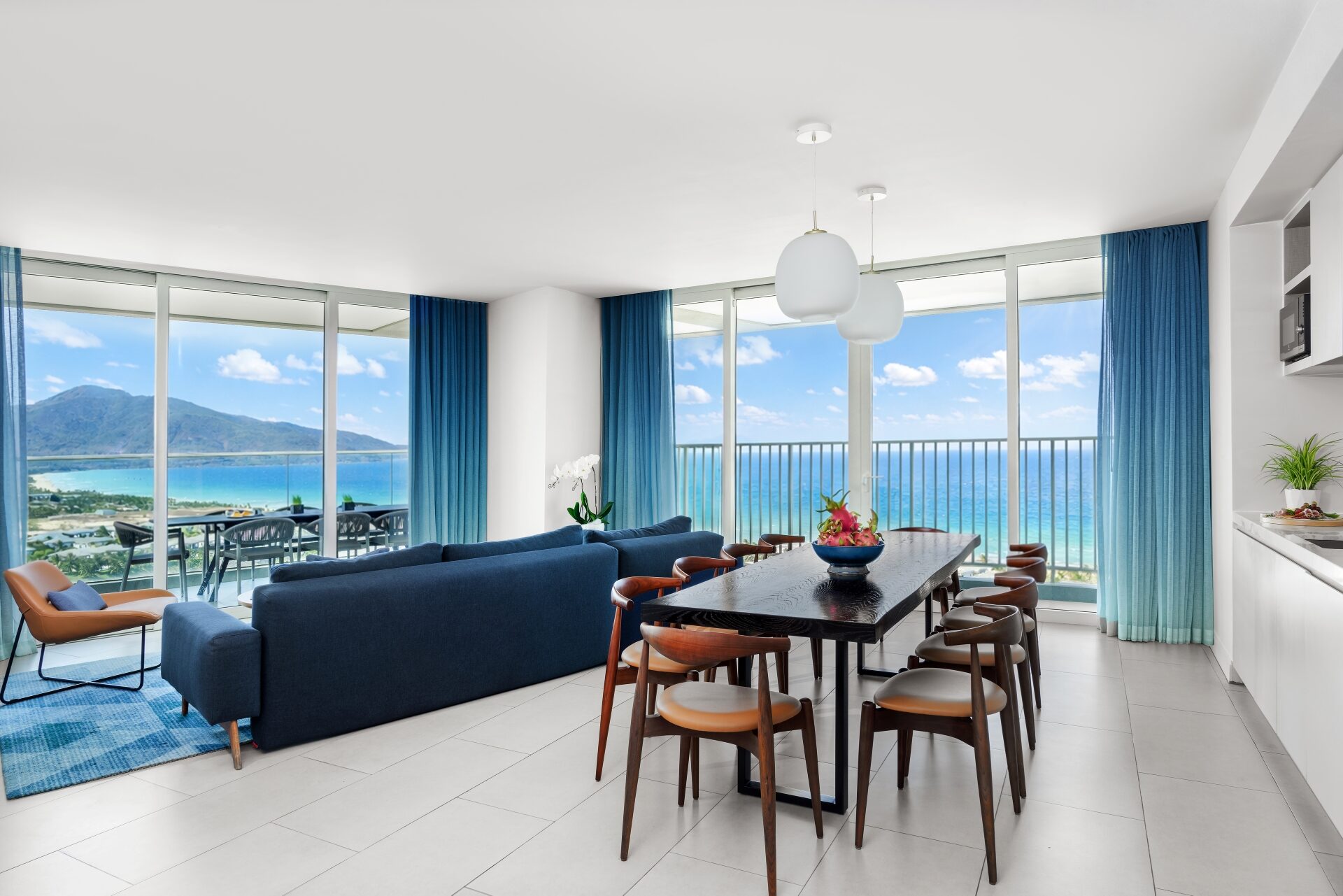
During the dry season specifically, the 2 Bedrooms Suite with Terrace Panoramic Ocean View makes good use of the clear skies, 113 sqm with a wraparound terrace built for watching the sun move across the bay over the course of a day rather than ducking in and out between showers.

A terrace that size is a genuinely different experience in the dry season than it would be during the rainy months, when the same outdoor space would see far less actual use across a typical stay.

The panoramic layout also means the ocean view stretches further along the horizon than a standard single-facing balcony would, worth knowing for anyone specifically choosing a room around the view rather than treating an ocean-facing category as one interchangeable box.

In the evening, The American Lounge & Bar leans into an art-deco, cigar-friendly setting built around bourbon, craft beer, and live music from the resident Alma Teddies band Monday through Saturday, a fitting way to close out a long, sunny day rather than heading straight back to the room.

It runs 5pm to midnight, which lines up well with a dry-season evening that’s actually pleasant to sit outside for, rather than one cut short by a sudden downpour the way an evening plan might be during the wetter months.

Sports viewing and a cigar-friendly setup round out the space, aimed more at adults winding down after a full day than at a family evening, which makes it a useful pairing with an earlier, more family-oriented dinner elsewhere on the property.

Booking during the dry season’s shoulder months, February to March or May specifically, tends to combine Alma’s own calmer occupancy with the best swimming and boating conditions of the year, without the July and August crowds or the October and November rain risk.
Rates during these shoulder months also tend to sit below the July and August peak, without dropping into the deeper discounts of the rainy season, a reasonable middle ground for a traveler weighing cost against weather risk rather than optimizing purely for one or the other.
Read more: Nha Trang Itinerary 2026: The Perfect 4-Day Trip Plan
Conclusion
Nha Trang’s dry season, roughly January through August, is the safer bet for beach time, island hopping, and diving, with the shoulder months offering the best mix of good weather and manageable crowds. Anyone still weighing exactly when to go should treat that eight-month window as the real answer to the best time to visit Nha Trang, then narrow it down based on crowd tolerance and budget rather than weather risk.

Basing a dry-season trip at Alma Resort Cam Ranh puts you on one of the peninsula’s sunniest, calmest stretches of coastline, close to both the airport and the islands this weather window is best suited for. Book a stay during the window that actually favors this coastline, and plan the island days, the beach time, and the evening drinks around a season built to deliver on all three.
*Prices are for reference only and may change without notice. Please contact us directly for current rates.
Read more: Nha Trang Travel Guide 2026: Everything You Need to Know Before You Go
Frequently Asked Questions
What is the rainiest month in Nha Trang?
November is typically the rainiest month, followed closely by October. Both months also carry the highest typhoon risk of the year, worth checking forecasts closely if traveling during this window and building in flexibility around any outdoor plans.
Is Nha Trang good to visit in summer?
Yes, June through August falls within the dry season and offers reliably sunny, hot weather, though it also coincides with domestic summer holidays, so beaches and popular sights get busier and accommodation books up further in advance. Travelers who dislike crowds might prefer April or May instead, which still fall inside the good-weather window without the peak-season rush.
Bringing extra sun protection and planning for a midday break out of direct heat both matter more in summer than at any other point in the dry season, particularly for young kids or anyone not used to tropical heat.
When is the cheapest time to visit Nha Trang?
The rainy season, particularly October through December, generally brings lower accommodation rates and fewer crowds, though the trade-off is a real chance of rain disrupting beach and island plans. December tends to offer the best balance within that window, since the rain has usually started easing off by then.
Flights can also drop in price during this window, though not always as reliably as hotel rates do, so it’s worth comparing several dates directly rather than assuming the whole rainy season is uniformly cheaper to fly into no matter which week you pick.
Does it rain a lot in Nha Trang?
Not during the dry season, roughly January through August, when rainfall is minimal. Nearly half the year’s total rainfall arrives in October and November alone, so the wet season is genuinely wet rather than just occasionally showery, which is exactly why those two months rarely come up as anyone’s pick for the best time to visit Nha Trang.